
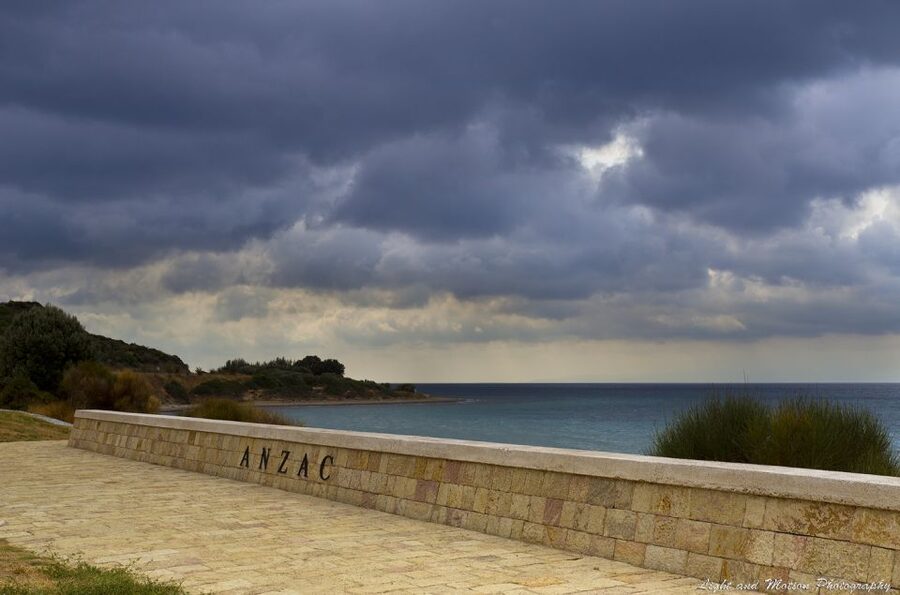
Reviewed · GALLIPOLI TOURS
Canakkale: Full-Day Troy and Gallipoli Tour
Troy and Gallipoli make an unexpectedly powerful pair: one site asks you to sort myth from archaeology, while the other brings modern wartime history into sharp focus. In a single day from Canakkale, you walk ancient defensive walls, cross the Dardanelles by ferry, and stand at places such as ANZAC Cove, Lone Pine, and Chunuk Bair.
I like this tour for two clear reasons. The guides make Troy readable, especially when ruins alone can look like piles of weathered stone. I also like the practical setup: transport, ferries, entrance fees, and lunch are included, so you can focus on the sites rather than arranging several separate trips.
The trade-off is the pace. Ten hours is a long day, and the Gallipoli portion involves repeated stops, short walks, and returns to the minibus. If Troy is your main interest, you may wish for more than its two-hour guided visit.
Key points to know
- Troy includes nine ancient settlement layers, with defensive walls and houses dating back more than 3,000 years.
- Gallipoli takes up about four and a half hours, with 11 stops in the ANZAC sector.
- The 25-minute ferry crossings connect Canakkale with Troy and the Gallipoli Peninsula.
- Guides vary by departure, with Burak, Charlie, Hasan, Ibrahim, Cindy, and others praised for humor, detail, and sensitivity.
- Lunch in Eceabat is included, but drinks and tips cost extra.
- The tour is not suitable for wheelchair users, and the full day requires steady movement in and out of a minibus.
Why Troy and Gallipoli belong in one day
At first glance, Troy and Gallipoli seem unrelated. One is tied to Homer, bronze-age warfare, and the Trojan Horse. The other is tied to World War I, Australian and New Zealand troops, and the failed Allied campaign of 1915.
Yet both places ask the same basic question: how do stories become history? At Troy, your guide helps separate legend, literary tradition, and archaeological evidence. At Gallipoli, the ground itself becomes part of the story. A quiet beach or ridge takes on meaning when you learn what happened there.
That contrast is the real strength of the day. You move from a city that may have inspired one of the ancient world’s greatest war stories to battlefields connected to national memories in Australia, New Zealand, Britain, France, and Turkey.
You should not expect a slow, private archaeological study. This is a broad introduction to two major sites, designed for visitors with only one day in the Canakkale area. The tour gives you the essential locations and a guide to explain them, then leaves you to decide which subject deserves a longer return visit.
More day trips in Gallipoli:
- Istanbul to Gallipoli Full Day Tour with Lunch and Transfers
★ 5.0 · 567 reviews - Gallipoli Full-Day Tour from Istanbul
★ 4.9 · 468 reviews - From Istanbul: Gallipoli and Anzac Full-Day Tour
★ 4.9 · 345 reviews
Troy, where nine cities occupy one hill
The morning begins with hotel pickup in Canakkale, followed by a drive of about 30 minutes. Pickup is offered from a list of central hotels, including the Grand Anzac Hotel, Hotel Akol, Hotel Helen, Anzac Hotel, Hotel Kale 17, Kule Hotel, and others. You should confirm your exact time and meeting point with the local operator, then wait in the lobby a few minutes early.
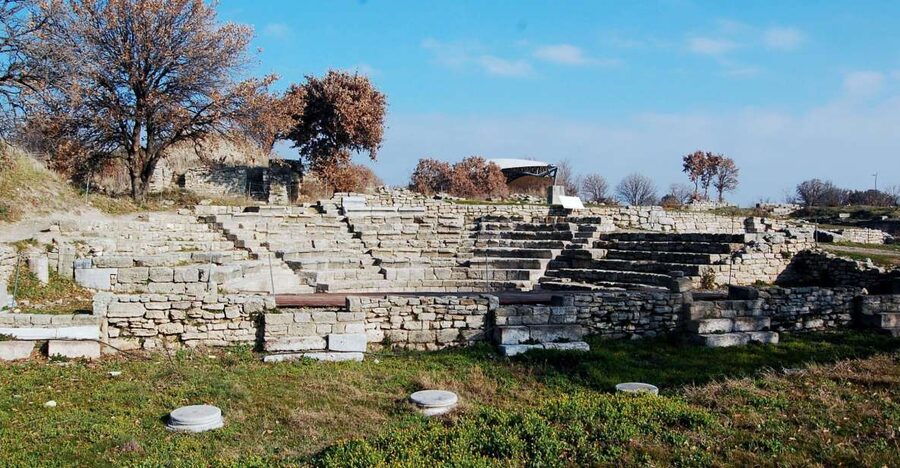
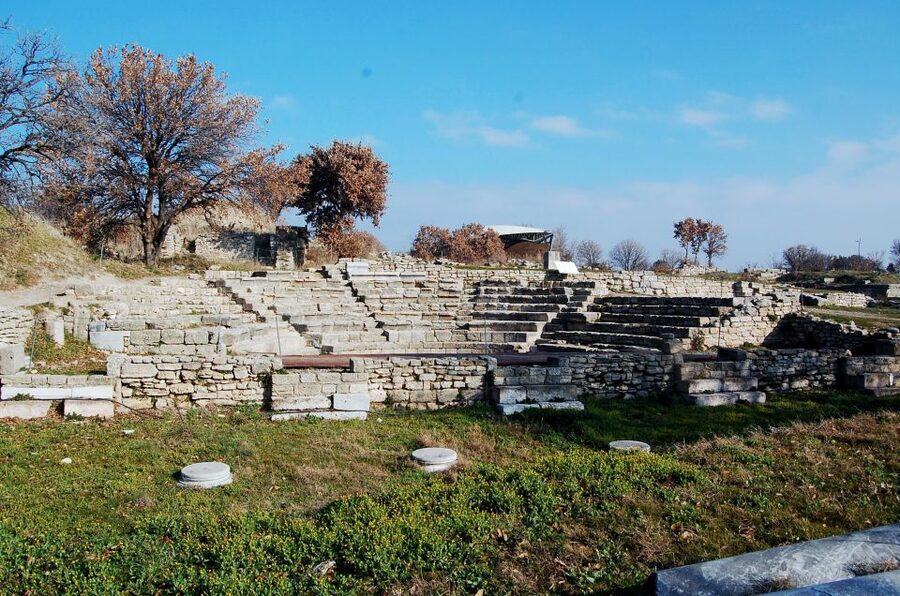
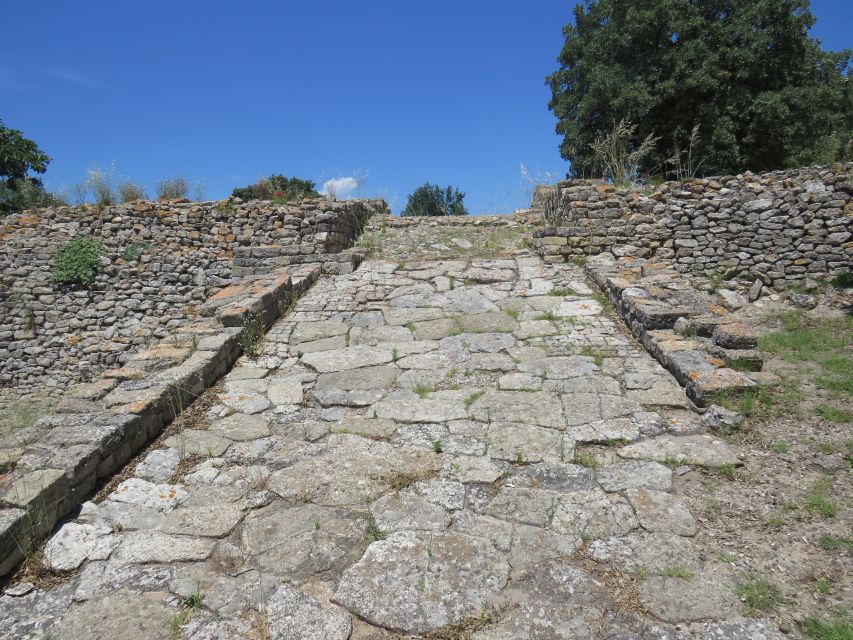
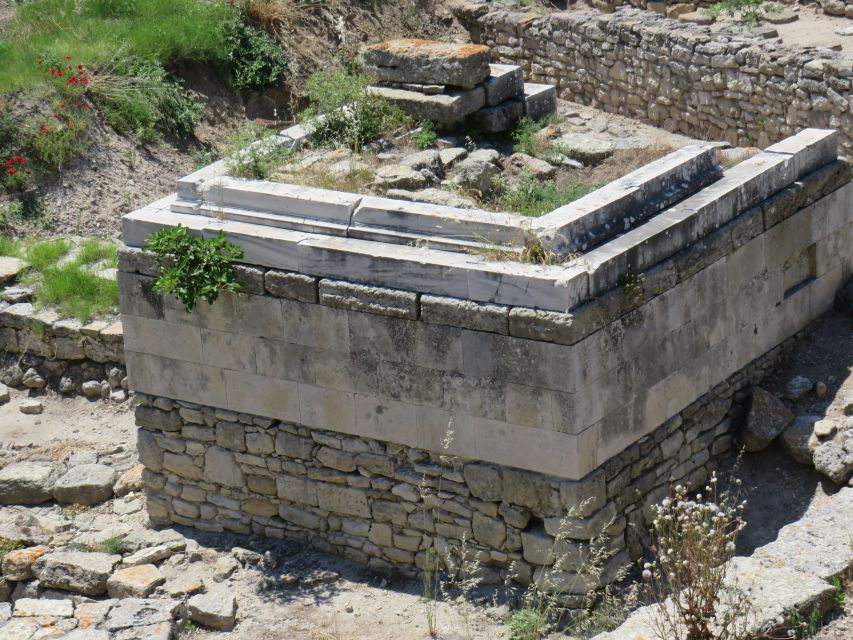
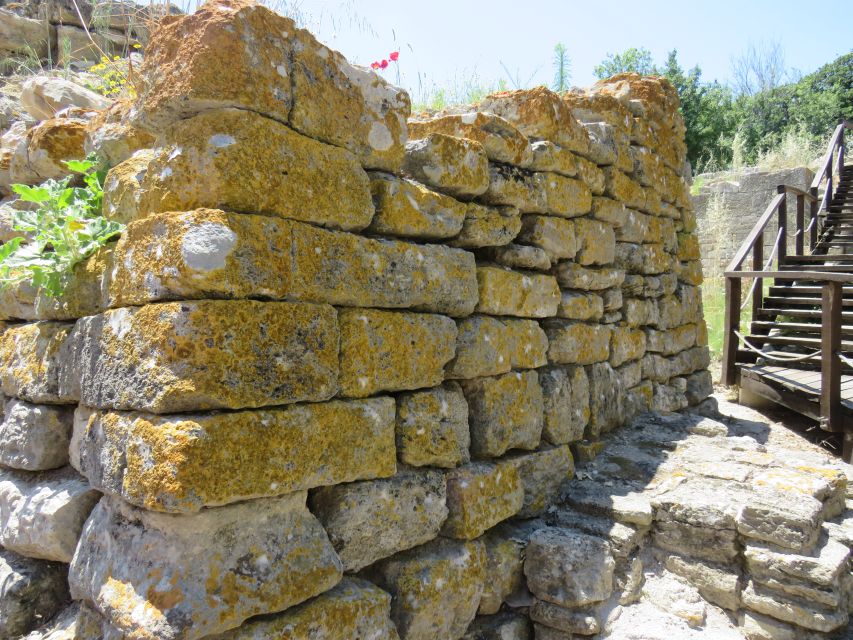
At Troy, the guided visit lasts about two hours. The site is famous, but it is not an easy place to understand without help. Troy contains the remains of nine cities built one above another over a long span of time. Walls, foundations, slopes, and partial structures can be difficult to place if you are looking at them alone.
A good guide gives the site a sense of order. The tour explains the mythology around the Trojan War, the archaeological discoveries, and the work of Heinrich Schliemann, whose excavations in the 1870s brought Troy to worldwide attention. You also hear how the site has been studied and interpreted up to the present day.
The most useful part for many visitors is the shift from grand legend to ordinary life. You see defensive walls connected with the city’s protection, but you also pass the remains of houses where people lived more than 3,000 years ago. Walking along those old paths helps turn Troy from a literary idea into a real settlement.
Still, set your expectations correctly. Troy is not a restored ancient city with complete temples and streets. Much of what you see is fragmentary. The guide matters greatly here, and past guides such as Charlie, Burak, and other members of the team have been praised for using stories, facts, and humor to make the ruins easier to follow.
The two-hour visit gives you a useful foundation, but not unlimited time. If your main goal is detailed archaeology, the schedule may feel short. If you want the major story, the key remains, and a clear explanation of why Troy matters, the format works well.
Crossing the Dardanelles by ferry
After Troy, you return to the vehicle for the drive back toward Canakkale. The ferry crossing takes about 25 minutes and carries you from the Asian side of Turkey toward Europe.
This is more than a transport detail. The Dardanelles have shaped movement, trade, military strategy, and communication for centuries. The crossing also creates a natural break between the morning at Troy and the afternoon at Gallipoli.
The ferry is included in the $164 price, which saves you from arranging separate tickets and keeps the day moving. You should still treat the timetable as part of a full group schedule. This is not the moment for an extended waterfront stop or an independent detour.
Lunch in Eceabat before the battlefields
Lunch takes place at a restaurant in Eceabat and lasts about an hour. The meal is included, while drinks are not, so keep some Turkish lira or another payment method ready for beverages. Dinner is not included because the tour ends back in Canakkale.
An included lunch is useful on a day this long. You do not need to search for a restaurant between ferry crossings, and the break gives you time to sit down before the Gallipoli visit. The meal is best viewed as a practical part of the schedule rather than a reason to book the tour.
The hour also helps reset your attention. Gallipoli is not a place to rush through while hungry and tired. The afternoon requires concentration, especially if you want to follow the sequence of landings, attacks, cemeteries, and memorials.
More full days out in Gallipoli:
- Troy: Full-Day Tour from Istanbul
★ 4.7 · 312 reviews - Troy Full-Day Guided Tour incl. Transfer, Ferry Tickets w/Lunch
★ 5.0 · 126 reviews - Full-Day Troy Tour From Istanbul
★ 4.5 · 123 reviews - Gallipoli Full-Day Tour from Istanbul
★ 4.8 · 47 reviews
Gallipoli, where quiet ground carries a heavy story
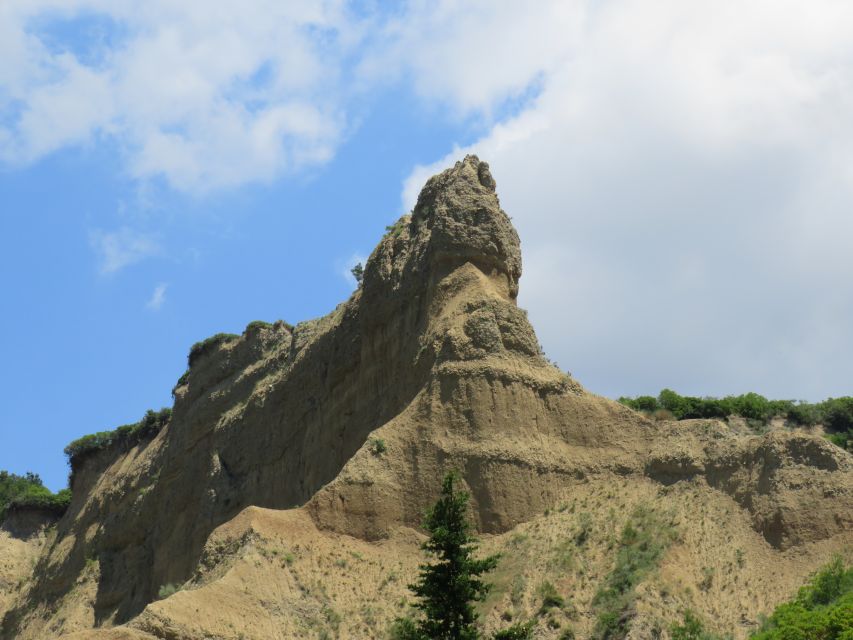
The Gallipoli section lasts about four and a half hours and focuses on the ANZAC sector of the peninsula. You travel in an air-conditioned, non-smoking minibus and stop at 11 points of interest.
This is the part of the tour that many people find most affecting. Gallipoli is not presented as a simple tale of heroes and villains. The strongest guiding gives attention to the Australian and New Zealand troops, the Turkish forces, and the human cost on all sides.
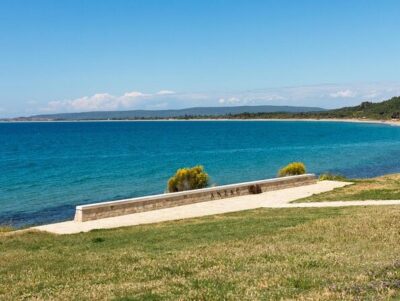
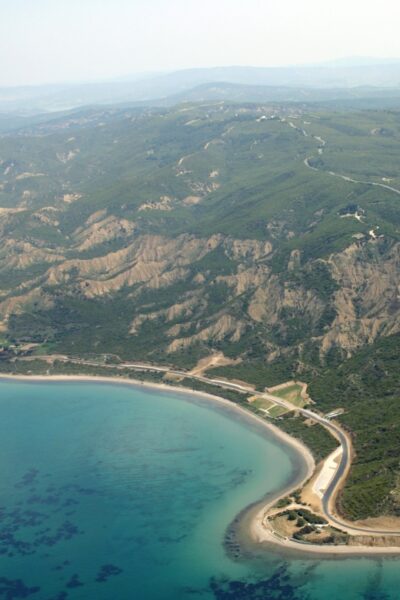
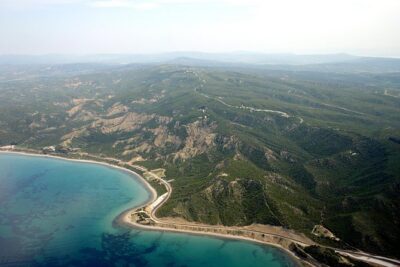
Your first major stop is ANZAC Cove, where the Australian and New Zealand troops landed and established their base. The cove is physically compact, which helps you understand how difficult the landing area was. The scale of the shore and surrounding hills gives more meaning to the military decisions than a map alone can provide.
You also visit Brighton Beach, another important location connected with the ANZAC landing area. The Commemorative Site is used for ANZAC Day ceremonies, and its presence explains why this stretch of coast remains important far beyond military history.
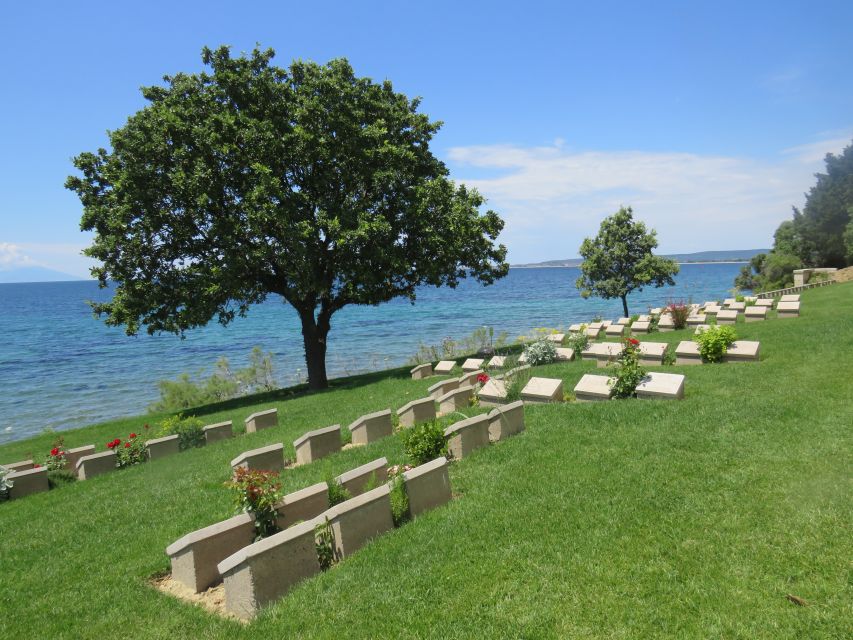
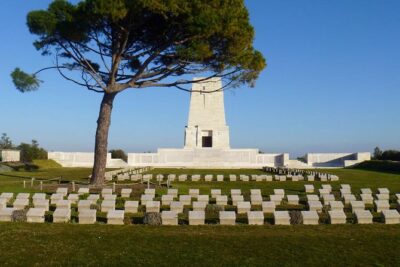
At Arıburnu Cemetery and Beach Cemetery, the tone changes. These are places for quiet attention rather than rapid sightseeing. You can pause to read names, reflect on the age of the men who died, and consider how far their families were from this peninsula.
The Lone Pine Memorial commemorates servicemen of the former British Empire who died in the campaign and have no known grave. It is one of five memorials on the peninsula with this purpose. The site connects individual loss with the wider scale of the campaign without turning the visit into a list of dates.
The route also includes the battlefields of The Nek and Chunuk Bair. These names may mean little before the tour, but a guide can explain their place in the campaign and show how the terrain affected movement and fighting. The value comes from standing at the actual ridges, beaches, and slopes while the events are placed in sequence.
A particularly good guide can make Gallipoli both serious and accessible. Burak, Hasan, Ibrahim, and Charlie have all been praised for combining facts with humor and for explaining both the ANZAC and Turkish sides. Humor needs care at a memorial site, but the right guide uses it to keep the group engaged without making light of the dead.
The guides are the main reason this works
Troy depends on interpretation, and Gallipoli depends on clear storytelling. In both places, the guide turns a series of remains and viewpoints into a connected account.
The tour uses separate guides for Troy and Gallipoli, rather than one person handling both subjects all day. That can be an advantage. Troy requires archaeological and mythological explanation, while Gallipoli demands military context and sensitivity.
Names associated with especially strong guiding include Burak, Charlie, Hasan, Ibrahim, Cindy, and Mohammed. You cannot assume a particular guide will lead your departure, but you can reasonably expect an English-speaking professional guide assigned to each section.
The best guides do more than recite dates. They point out where to look, ask questions, explain why a location mattered, and connect the facts to what you can see. One guide has even helped visitors locate burial places connected with their own family research, though you should not book expecting a private genealogy service.
The group setting has one practical downside. You will need to keep together and move when called. A guide may be excellent, but the day still follows a shared schedule rather than your personal pace.
Transport, timing, and the cost of the day
The tour lasts about 10 hours. The basic sequence is:
- Hotel pickup in Canakkale
- 30-minute drive to Troy
- Two-hour guided Troy visit
- 30-minute return drive
- 25-minute ferry crossing
- One-hour lunch in Eceabat
- Four-and-a-half-hour Gallipoli visit
- 25-minute ferry ride back to Canakkale
All transportation is by air-conditioned vehicle or ferry, and the vehicle is non-smoking. The repeated boarding and unloading is part of the design. It lets you see many Gallipoli locations without walking the entire peninsula, but it can become tiring by late afternoon.
At $164 per person, the tour is not the cheapest way to spend a day in the region. The price includes hotel pickup from selected Canakkale hotels, a professional English-speaking guide, Troy entry, all vehicle transport, both ferry journeys, and lunch.
That package has real value if you would otherwise need to arrange a Troy taxi or transfer, ferry tickets, a Gallipoli vehicle, site entry, and a meal. It is also valuable for solo visitors, couples, and anyone who wants historical context rather than simply a ride to the ruins.
The price is less attractive if you want to spend most of the day at Troy, explore independently, or visit the British landing beaches in greater detail. The standard Gallipoli route focuses on the ANZAC sector, and one day cannot cover every part of the peninsula.
Tips and drinks are extra. Free cancellation is available up to 24 hours before departure, and you can reserve now and pay later, which gives you some flexibility while planning a Canakkale stay.
Who will enjoy this tour most
I would choose this tour if you have one full day and want the major historical sites around Canakkale without renting a car or piecing together local transport.
It suits you especially well if:
- You want a guide to explain Troy rather than simply photograph the ruins.
- You have a personal, family, or national interest in the ANZAC campaign.
- You prefer a structured day with transport already arranged.
- You are comfortable with a full schedule and repeated minibus stops.
- You want both ancient and modern history in one outing.
You may prefer separate visits if Troy is your central goal and you want several hours for archaeology. You may also want another plan if you need wheelchair access, since the activity is not suitable for wheelchair users.
Wear practical walking shoes and bring water. The tour provides transport, but you still walk around exposed archaeological and memorial sites. Sun, wind, and uneven ground can make a long day feel longer.
Should you book the Troy and Gallipoli tour?
Book it if you want an efficient, well-organized introduction to both sites, especially if this is your only day near Canakkale. The guides are the key asset, and the strongest ones, including Burak, Charlie, Hasan, and Ibrahim, bring warmth, detail, and respect to subjects that could otherwise feel distant.
Do not book it expecting a leisurely Troy study or a complete tour of every Gallipoli landing area. Think of it as a guided overview with enough time to feel the importance of both places, not a specialist field trip.
For most visitors, the combination earns its keep. Troy gives you the ancient story and the physical remains. Gallipoli gives you the modern human cost. Together, they make for a long but memorable day.
FAQ
How long is the Troy and Gallipoli tour?
The tour lasts about 10 hours, including transport, ferry crossings, lunch, the two-hour Troy visit, and the four-and-a-half-hour Gallipoli tour.
Where does pickup take place?
Pickup is available from selected hotels in Canakkale, including Grand Anzac Hotel, Hotel Helen, Aspen Hotel Canakkale, Büyük Truva Oteli, Hotel Akol, Hotel Limani, Kervansaray Canakkale, Hotel Kale 17, Kule Hotel, Anzac Hotel, Artur Otel, and Canakkale Moonlight Pension. Confirm the exact pickup time and location with the local operator.
Is lunch included?
Yes. A restaurant lunch in Eceabat is included. Drinks during lunch are not included and must be paid for separately.
Are ferry tickets included?
Yes. The ferry costs are included in the tour price, including the crossings between Canakkale and the Gallipoli area.
Which language is the tour conducted in?
The live tour guide language is English.
Which Gallipoli sites are included?
The tour focuses on the ANZAC sector and includes Brighton Beach, ANZAC Cove, Arıburnu Cemetery, the Commemorative Site, Beach Cemetery, Lone Pine, The Nek, and Chunuk Bair, along with other stops for a total of 11 points of interest.
Is the tour suitable for wheelchair users?
No. The activity is listed as not suitable for wheelchair users.
Newest Gallipoli trips on the site
- 3 Day Gallipoli in Depth Tour from Istanbul with Troy★ 5.0 · 18 reviews
- 2-Days Gallipoli Troy Pergamon Acropolis Tour From Istanbul to Kusadasi★ 5.0 · 34 reviews
- 2 Days 1 night Gallipoli Troy Landing Beaches Tour From Istanbul★ 5.0 · 28 reviews
- 2-Day Troy and Gallipoli Tour from Istanbul★ 4.5 · 32 reviews
- 2-Day Gallipoli and Troy Tour from Istanbul and return★ 5.0 · 17 reviews
- Troy and Gallipoli Day Trip from Canakkale★ 5.0 · 33 reviews
- Full Day Troy & Gallipoli Tour ( From Canakkale )★ 5.0 · 45 reviews
- Gallipoli Tour from Eceabat, Canakkale★ 5.0 · 26 reviews
Gallipoli Tours, compared.
Istanbul to Gallipoli Full Day Tour with Lunch and Transfers
Our review →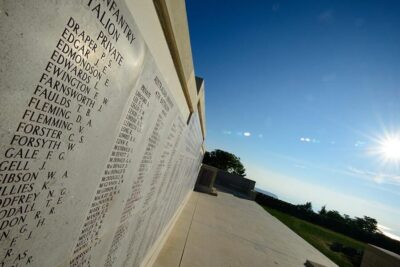
Istanbul to Gallipoli, Canakkale and Troy. 2 Day Tour with Hotel
Our review →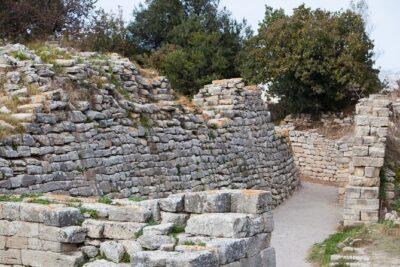
Istanbul to Truva Troy Guided Day Tour with Lunch and Transfers
Our review →Browse the lists this tour appears in