

Reviewed · CASTLE & PALACE TOURS
Istanbul: Topkapi Palace & Harem Tour Skip-the-Line Ticket
Topkapı Palace is not just another grand Istanbul building. For almost 400 years, it was the main home of Ottoman sultans, and its courtyards, kitchens, chambers, collections, and gardens reveal how an empire was run from behind palace walls. This tour helps you get through the entrance and gives you a useful map of what to see once inside.
I like the skip-the-line entry, especially when the ticket queues are long. I also like the guided introduction, which helps you understand why the four courtyards, Audience Hall, Treasury, and Harem matter instead of wandering past them with no context. The main catch is that the guided portion can be short or move quickly, and your meeting point may change with the option you book.
Key points to know before you book
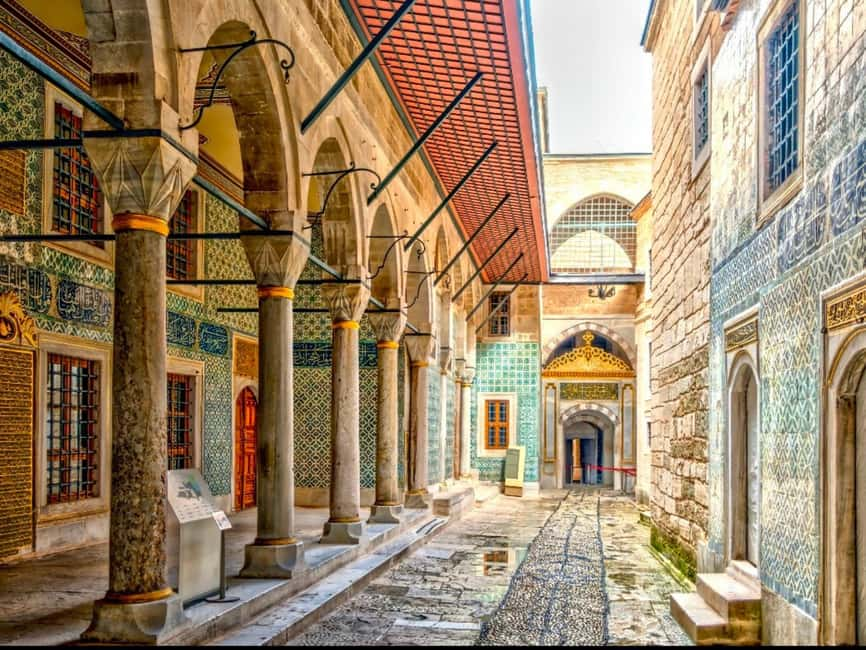
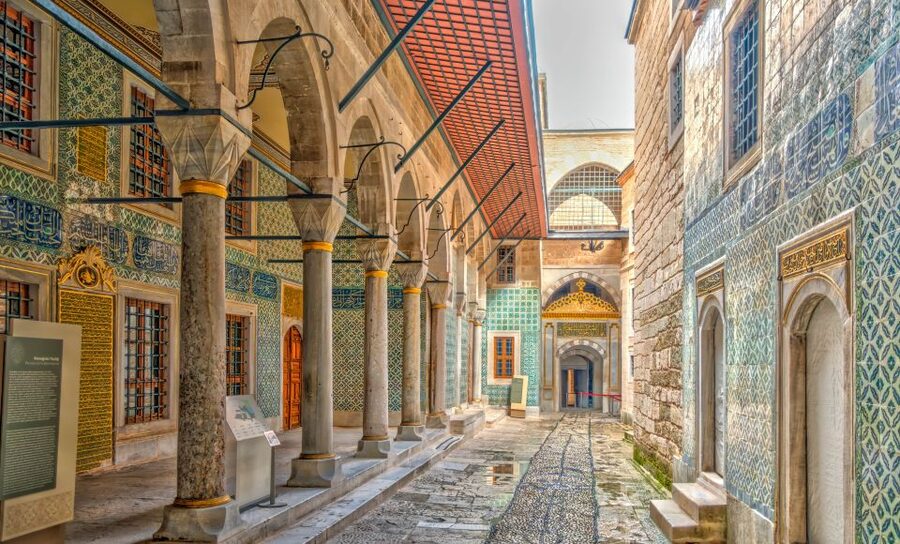
- The Harem is the emotional center of the visit: Its tiled rooms, Imperial Hall, baths, mosques, and private apartments show the secluded side of palace life.
- The guide gives you a plan: Guides including Furkan, Oğuzhan, Augusto, Sedat, and Elke are praised for clear explanations, humor, and useful advice on what to see next.
- Expect more than a quick palace visit: The guided activity may last up to three hours, but several visitors needed about four hours to cover the main areas at a comfortable pace.
- The skip-the-line benefit matters: The entrance queue can be large, while the palace itself is vast and takes real time to explore.
- The views are part of the reward: From the palace grounds, you can look over the Golden Horn and Bosphorus.
- Check the exact option carefully: Harem access, group size, meeting point, and guided duration can vary.
Why Topkapı Palace deserves a half-day
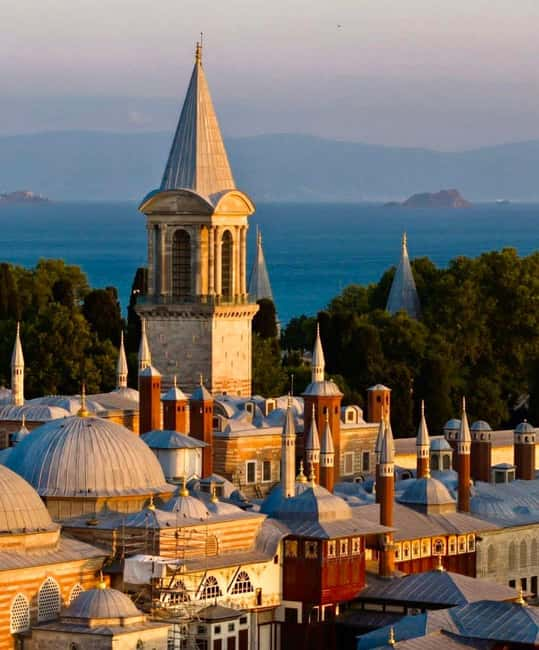
Topkapı Palace works best when you treat it as a small historic district rather than a single building. The complex contains courtyards, pavilions, exhibition rooms, religious objects, gardens, and lookout points. You can hurry through the main sights in an hour or two, but you will miss much of what makes the place special.
The palace served as the primary residence of Ottoman sultans for nearly four centuries. That long period gives the visit several layers. You see formal spaces where the sultan received officials, private rooms used by the dynasty, objects connected with faith, and everyday luxury in the form of porcelain, textiles, weapons, and jewelry.
I would allow at least three hours if your schedule permits. Some visitors spent four hours in the complex and still found more to see. The official activity duration ranges from 20 minutes to three hours, which likely reflects different starting times and tour formats, not the amount of time the palace itself deserves.
More Skip-the-Line Tickets in Istanbul
- Istanbul: Basilica Cistern Fast-Track Entry and Audio Guide
★ 4.6 · 7,521 reviews - Istanbul: Hagia Sophia Skip-the-Line Ticket & Museum Option
★ 3.7 · 4,958 reviews - Istanbul: Basilica Cistern Skip-the-Line Entry Ticket
★ 4.6 · 2,270 reviews
Starting the visit with a guide
The guide is most useful at the beginning. Topkapı Palace has enough rooms and courtyards to make a first visit confusing, so a good introduction gives you a mental outline before you set off on your own.
Expect an English-speaking guide and either a private or small-group format, depending on the option you select. The guided portion often explains the palace layout, its history, the most important exhibits, and where to spend your free time. After the formal walk, you may be allowed to continue exploring independently, a setup that gives you both context and freedom.
Several named guides receive especially strong praise for their delivery. Furkan is described as patient, energetic, and good at answering questions. Oğuzhan is praised for detailed explanations and clear storytelling. Augusto is noted for practical tips, while Sedat and Elke are described as friendly and easy to follow.
The quality of the experience depends partly on the guide’s pace. One guide may explain the material in a relaxed way, while another may speak quickly and move briskly through crowded spaces. Stay close, pay attention, and ask questions early. The guide may not return to a room once the group moves on.
You will also be required to use a headset. Bring an ID card because it is held while you use the equipment and returned afterward. This may feel like a minor nuisance, but it helps you hear the guide when other groups are nearby.
The four courtyards and the formal palace
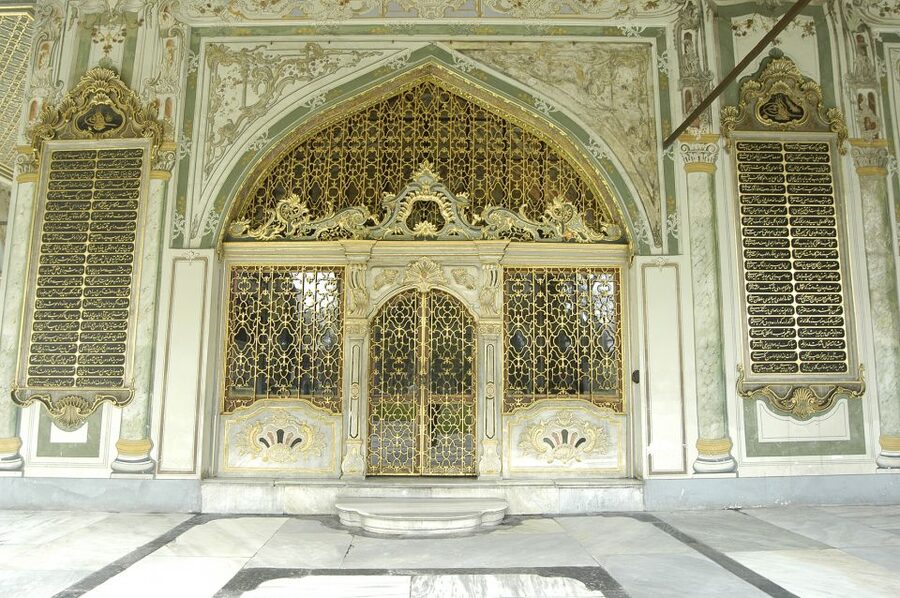
The palace is arranged through four main courtyards, each marking a different level of access and palace life. You may not spend equal time in each one, but the sequence helps explain how the Ottoman court became more private as you moved farther inside.
The first areas establish the scale of the complex. The architecture is formal and controlled, with gates and courtyards that separate public administration from the sultan’s private world. Your guide should point out how the palace was organized and which buildings deserve a closer look.
The Audience Hall is one of the key stops. This was a place connected with official receptions and imperial authority. Its value is not only visual. It helps you understand that Topkapı was a working center of government, not simply a residence decorated for show.
The palace’s collections give the visit its variety. You can see Ottoman weapons, fine fabrics, jewelry, artworks, and Chinese and Japanese porcelain. If you only follow the main route, you might move too quickly past these displays, so take time afterward to return to the galleries that interest you most.
The Treasury is another major draw. It presents the court’s wealth through precious objects and royal possessions. The guide can help you identify the most important pieces, but the room may become crowded, and you may need patience to get a clear view of the displays.
The Harem, where palace life turns private

The Harem is often the part visitors most want to see, and it earns that attention. It was the private residence of the Ottoman dynasty and elite women, with access limited to the sultan, family members, and selected staff.
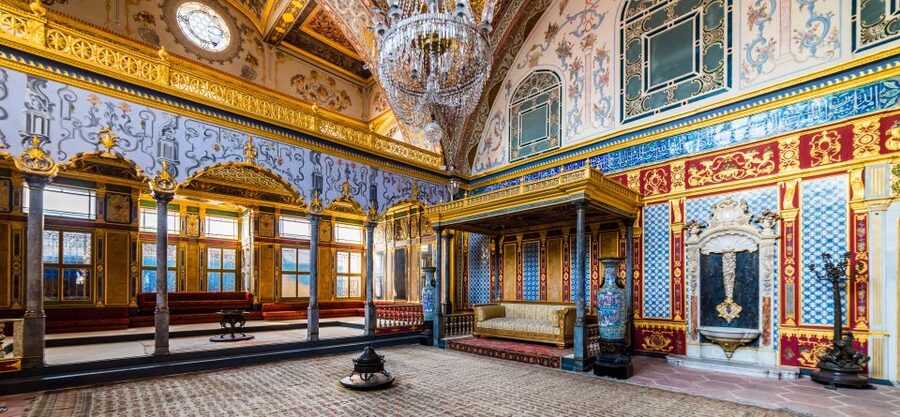
The scale is striking. The Harem contains more than 300 rooms, nine baths, and two mosques, with tilework and decoration dating from the 16th through the 19th centuries. You are not simply looking at one lavish chamber. You are moving through a large private section with its own hierarchy and daily routines.
Important areas include the Main Entrance, the Court of the Concubines, the Imperial Hall, the Privy Chamber of Murad III, and the Twin Kiosk, also called the Apartments of the Crown Prince. Each space offers a different glimpse into court life, from ceremonial rooms to more private quarters.
The Harem is also where the tour’s storytelling matters most. Without an explanation, the rooms can blur into a series of tiled walls and ornate doors. A guide can show you how the spaces relate to one another and explain the difference between public ceremony and private palace life.
Check your booking option carefully before you arrive. The activity description includes skip-the-line entry to the Topkapı Palace and Harem section, but access has not been identical across every tour option. One account describes the Harem being included and escorted entry provided, while another says Harem tickets were purchased separately at a kiosk. Confirm the exact package you choose.
More palaces and castles in Istanbul:
- Istanbul: Topkapi Palace & Harem Museum Ticket & Audio Guide
★ 4.1 · 3,977 reviews - Istanbul: Topkapi Palace and Harem Guided Tour with Ticket
★ 4.8 · 1,726 reviews - Basilica Cistern &Topkapi Palace &Hagia Sophia Combo Tickets
★ 4.6 · 1,306 reviews - Dolmabahce Palace & Harem Fast-Track Entry with Audio Guide
★ 4.6 · 966 reviews
The Treasury, Holy Relics, and unusual displays

Topkapı’s collections are broad enough to appeal to different interests. If you like military history, the Ottoman weapons offer a direct connection with the empire’s armies and rulers. If you prefer decorative arts, the textiles, jewels, and porcelain are likely to hold your attention longer.
The Chinese and Japanese porcelain collection is an especially useful reminder that Ottoman court taste was connected to trade and diplomacy far beyond Turkey. Look closely at the objects rather than rushing to the next room. The value is in the range of materials and styles gathered in one palace.
The Holy Relics Chamber is one of the most unusual parts of the museum. It contains items associated with important religious figures, including personal objects connected with the Prophet Muhammad, the staff of Moses, and the sword of David. These displays carry religious meaning as well as historic interest, so approach them with appropriate respect.
This is a busy museum, and not every exhibit will hold your attention equally. I would use the guided portion to learn the overall story, then spend your free time on the rooms and collections that matter most to you.
Hagia Irene adds an older layer
The visit can also include Hagia Irene, described as Istanbul’s second-largest church. It offers a different feel from the palace interiors and adds an important layer to the site’s long history.
Hagia Irene is valuable because Topkapı was built within a much older imperial setting. The church reminds you that Istanbul’s political center changed hands and purposes over many centuries. Do not expect the same decorative experience as the Harem or Treasury. Its appeal is its scale, age, and place within the palace grounds.
Ask your guide how it fits into the route and whether it is open during your visit. The supplied details identify it as a highlight, but the amount of guided time spent there may depend on the selected option and the day’s crowd levels.
Views over the Golden Horn and Bosphorus
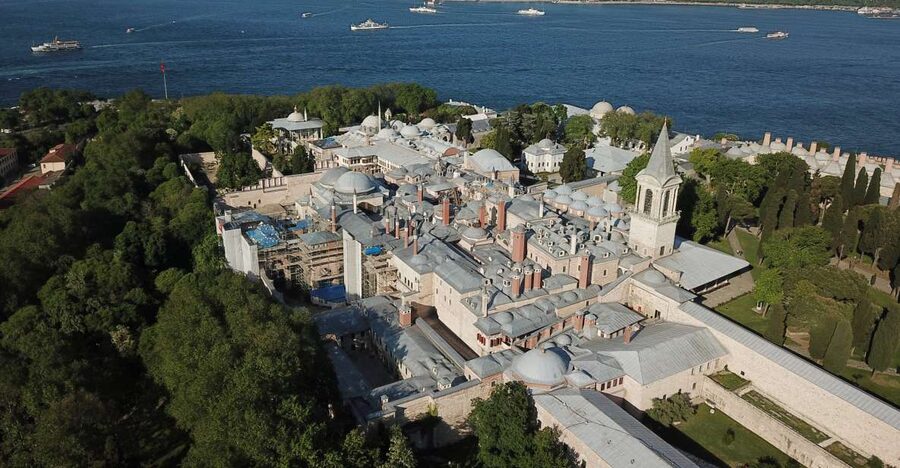
Topkapı’s location is part of its power. From the grounds, you can look toward the Golden Horn and Bosphorus, seeing the waterways that helped make Istanbul an imperial capital.
These views offer a useful break from the indoor galleries. After several rooms of objects and tilework, step outside and take in the wider setting. The palace was placed here for practical and symbolic reasons, and the outlook helps you understand its connection to the city and sea.
Bring time for photographs, but do not let the views end your visit too early. The most valuable interior rooms are spread across the complex, and the palace can take several hours to cover.
How much value do you get for $73?
At $73 per person, this is not the cheapest way to enter Topkapı Palace. The price makes more sense if you value three things: avoiding the ticket queue, having a guide explain the layout and history, and gaining access to the Harem when it is included in your option.
The guide is the strongest part of the value. Topkapı is large enough that a first-time visitor can lose time deciding where to start. A clear introduction lets you spend your independent time well, and several guides are praised for pointing out exhibits that are easy to overlook.
The skip-the-line benefit also matters on a crowded day. Waiting in a long queue is especially frustrating when your Istanbul schedule is tight. Still, skipping the ticket line does not mean you will have the palace to yourself. The complex can be crowded inside, and the Treasury and popular rooms may require patience.
If you already know Topkapı well, prefer to read every label alone, or have plenty of time to buy tickets and plan your route, you may find the added cost less useful. If this is your first visit and you want a clear introduction, the price is easier to justify.
Timing, meeting points, and practical advice
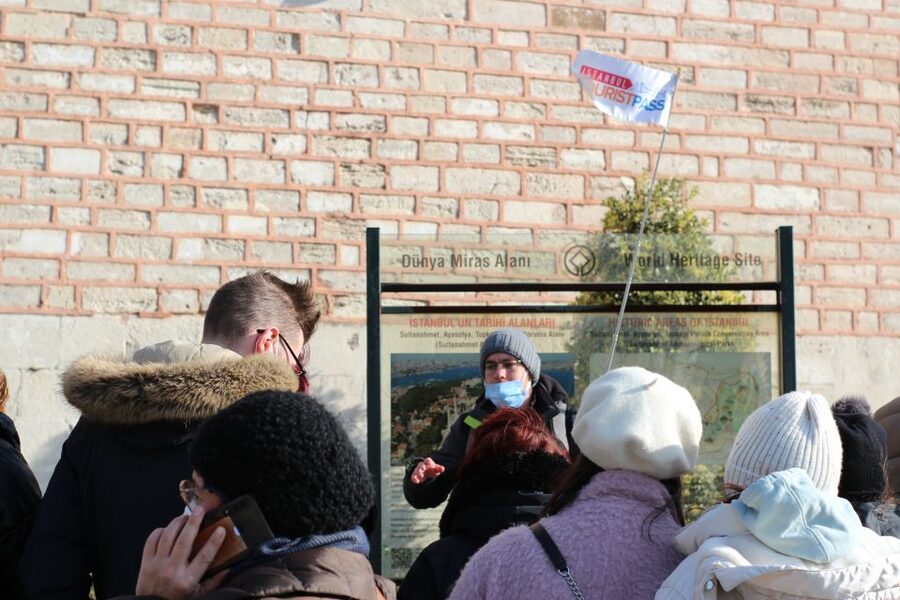
Your meeting point can vary by the option booked, and transportation to the meeting point is not included. Read the confirmation carefully and leave enough time to reach the correct place. The activity ends back at the meeting point.
The museum is closed on Tuesdays. Avoid that day when planning your itinerary, and do not assume a short advertised tour duration means you have seen everything. The guided segment may finish while the palace remains open for your own exploration.
Children must show valid passports at the museum entrance to confirm their age. Bring the required documents, even if a child looks clearly within the stated age range.
The single toilet can develop a long line, so use facilities before entering if possible. This is a small point, but it matters during a long visit, especially if you plan to stay for four hours.
Wear comfortable shoes and keep your attention on the guide during the opening explanation. The route can move quickly, and the palace is tiring simply because there is so much ground and so many rooms to cover.
Free cancellation is available up to 24 hours before the activity, and you can reserve now and pay later. Those terms help if your Istanbul plans are still changing, but they do not remove the need to check your meeting point and the exact Harem arrangement.
Who should book this Topkapı tour?
I would choose this tour for a first visit to Istanbul, especially if you want history explained in plain English rather than reading every room without a plan. It also suits families and mixed-age groups because the guide can keep the visit moving and identify the sections most likely to interest different people.
It is a good match for anyone with a tight schedule who does not want to lose time in the ticket line. The private and small-group choices may also appeal if you want more room for questions.
I would be more cautious if you dislike guided pacing or want to study every object at length. The formal tour can be brisk, and the guided section may not cover every courtyard or gallery. In that case, think of the guide as your orientation, then reserve extra time to continue alone.
Should you book it?
Book this experience if you want fast entry, a useful historical framework, and help finding the palace’s most important rooms. The Harem, Holy Relics, Treasury, Audience Hall, Hagia Irene, and Bosphorus views make Topkapı one of Istanbul’s fullest museum visits, and the guide keeps the complex from feeling shapeless.
Before paying $73, confirm three details: the meeting point, the length of the guided portion, and whether Harem entry is included in your chosen option. If those terms suit your plans, this is a practical way to see Topkapı without wasting time at the entrance. Give yourself several hours afterward, because the palace is far too large for a quick in-and-out visit.
FAQ
Is Topkapı Palace closed on any day?
Yes. Topkapı Palace Museum is closed on Tuesdays.
Is transportation to the meeting point included?
No. You are responsible for reaching the meeting point, which may vary according to the option you book.
Is the tour offered in English?
Yes. The listed live tour guide language is English, and an audio guide is also included.
Is the Harem included in every option?
You should confirm this before booking. The activity includes a skip-the-line hosted ticket for the palace and Harem section, but the supplied tour details indicate that Harem access can vary by option.
Do children need identification?
Yes. All children must present a valid passport at the museum entrance to verify their age.
Do I need to bring an ID card?
Yes. You must use a headset during the tour, and your ID card is held while you use it and returned at the end.
Newest Istanbul trips on the site
- Turkey Classics 7 Day Escorted Tour from Istanbul★ 4.5 · 165 reviews
- 7 Day 6 Night Express Turkey Tour★ 5.0 · 37 reviews
- Bosphorus Dinner Cruise with Turkish Music and Live Performances★ 4.0 · 158 reviews
- Bosphorus Dinner Cruise & Show with Private Table★ 5.0 · 24 reviews
- Pearl’s of Turkey – 8 Days★ 5.0 · 38 reviews
- Bosphorus Boat Tour 3 Hour with Asian Side Stop in Istanbul★ 5.0 · 97 reviews
- 7 Days Turkey Tour Package – Highlights of Turkey★ 5.0 · 73 reviews
- Turkey Highlights 4 Day Tour from Istanbul Hassle-Free Package★ 5.0 · 91 reviews
Castle & Palace Tours, compared.

Topkapi Palace & Harem Museum Ticket & Audio Guide
Our review →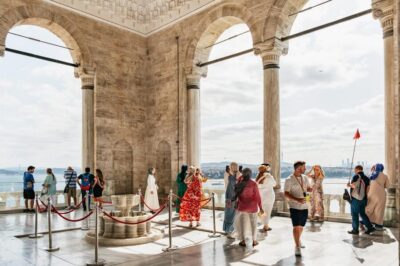
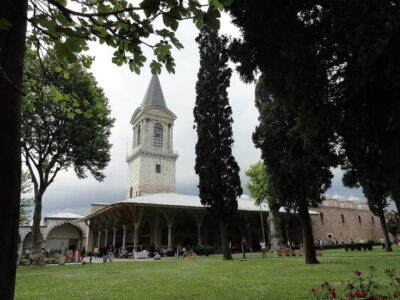
Basilica Cistern & Topkapi Palace & Hagia Sophia Combo Tickets
Our review →
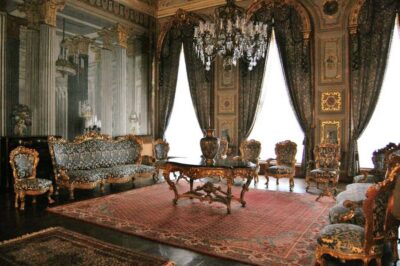
Dolmabahce Palace & Harem Fast-Track Entry with Audio Guide
Our review →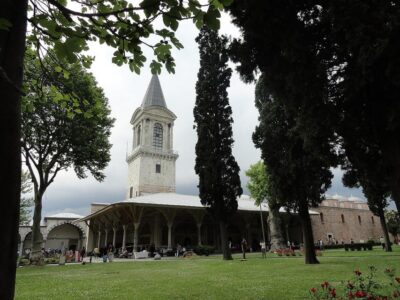

Browse the lists this tour appears in