
Reviewed · SKIP-THE-LINE TICKETS
Skip-the-Line Hagia Sophia Digital Tickets w/Audio Guide
Hagia Sophia is the kind of place that can leave you staring upward before you know what you are looking at. This self-guided visit gives you time with the famous dome, Byzantine mosaics, Ottoman calligraphy, and upper galleries without forcing you to follow a group. I especially like the freedom to set your own pace and the audio guide’s useful link between Byzantine and Ottoman Istanbul. The $41 price makes the most sense when the ticket saves you time at the ticket booth.
There is one important catch: skip-the-line does not mean skip security. You may still wait at the checkpoint, and some visitors have faced QR-code problems or confusion over where to collect the working ticket. The visit is also short, about an hour, and current restoration work may limit the building’s exterior beauty.
Key points to know before you go
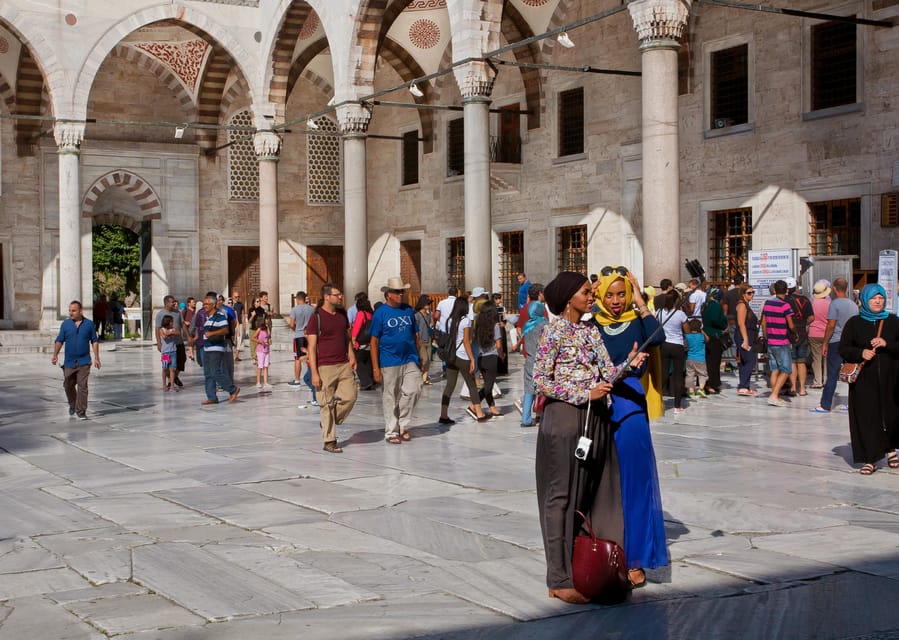
- Enter near Topkapi Palace: Foreign visitors use Hagia Sophia’s newly opened tourist entrance, with a ramp leading toward the upper galleries.
- Security lines remain: The ticket skips the ticket line, but busy periods can bring waits at security.
- Use your phone for the guide: The audio guide is in English and covers Hagia Sophia plus other major Istanbul sights.
- Expect an upper-gallery visit: The route includes the upper level, while access to a lower level may not be available.
- Allow about one hour: This is a focused visit, not a slow half-day museum experience.
- Check the QR code early: If the first code is only an information voucher or does not work, you may need to request the proper QR ticket.
Entering Hagia Sophia near Topkapi Palace
You make your own way to Hagia Sophia in Istanbul’s historic center. There is no hotel pickup, no group meeting, and no guide waiting to lead you through the streets. Instead, you go to the building and enter through the tourist entrance near Topkapi Palace.
That arrangement is simple, but it puts more responsibility on you. Have your phone charged, keep your booking details handy, and allow time to find the correct entrance. Foreign visitors use the newer tourist entry point, which provides direct access to the upper-floor galleries by a gentle ramp.
The ramp is helpful compared with a route that relies only on stairs, but the activity is not suitable for wheelchair users or people with mobility impairments. You should also wear shoes that can handle a moderate amount of walking.
The ticket is designed to skip the line for buying admission. That can be useful at a crowded monument where the ticket queue is slow and exposed. It does not give you priority at the security checkpoint, though. During busy periods, you may still wait there, sometimes for a substantial stretch. One booking reported a 45-minute wait despite having a skip-the-line ticket, while another noted that the security line moved quickly. The sensible reading is this: you avoid one queue, not every queue.
More Skip-the-Line Tickets in Istanbul
- Istanbul: Basilica Cistern Fast-Track Entry and Audio Guide
★ 4.6 · 7,521 reviews - Istanbul: Hagia Sophia Skip-the-Line Ticket & Museum Option
★ 3.7 · 4,958 reviews - Istanbul: Basilica Cistern Skip-the-Line Entry Ticket
★ 4.6 · 2,270 reviews
What the ticket actually saves you
At $41 per person, this is not a bargain admission ticket. You are paying for convenience, digital commentary, and a simpler way to arrange entry. The value depends largely on how much you dislike standing at a ticket booth and how much use you get from the audio guide.
If Hagia Sophia is one stop among several in a tightly planned day, saving even part of the ticket-buying process can help. The ticket also lets you visit independently instead of matching the pace of a live group. That is useful if you want to pause beneath the dome, study a mosaic, or move on quickly.
The price is harder to justify if you already have a reliable way to buy entry and do not care about recorded commentary. The visit itself lasts about one hour, and the ticket does not include transport, food, drinks, personal expenses, or hotel service.
I would treat this as a convenience product, not a low-cost way to enter Hagia Sophia. It is strongest for a first-time visitor who wants a little explanation without hiring a private guide. It is weaker for someone expecting a fully guided tour, guaranteed priority at every checkpoint, or a long museum visit.
Getting the digital ticket ready

The digital part deserves attention before you reach the entrance. The audio guide works on your smartphone and is available in English. The material explains Hagia Sophia and places its story within the Byzantine and Ottoman empires, which gives you a useful framework for reading the building.
There have been problems with the first code supplied to some customers. In a few cases, the initial ticket appeared to be an information voucher rather than the final QR ticket needed for entry and audio access. If your code does not scan, contact the provider promptly and ask specifically for the working QR code and audio guide access.
This is not a reason to abandon the booking, but it is a reason to avoid arriving at the last possible minute. One technical delay reportedly lasted more than 45 minutes and affected the rest of the person’s schedule. Give yourself a buffer, especially if you have another timed activity afterward.
The provider, City-Pass.Tr, has been responsive when ticket problems are reported, and the audio-guide setup is generally one of the smoother parts of the experience. Still, a phone-based tour depends on the code, your battery, and your ability to hear the narration in a large public space. Bring headphones if you have them, though they are not listed as a required item.
Looking up at the famous dome
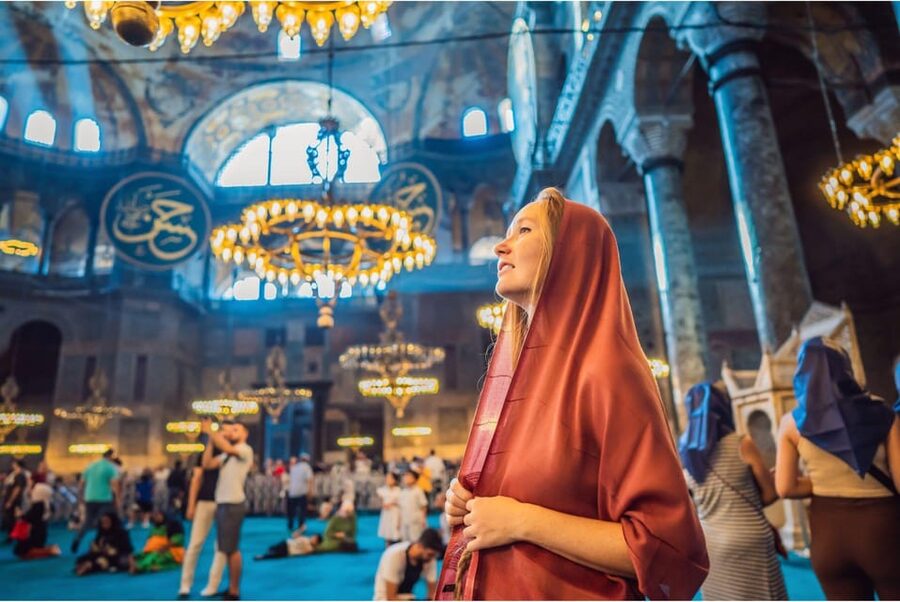
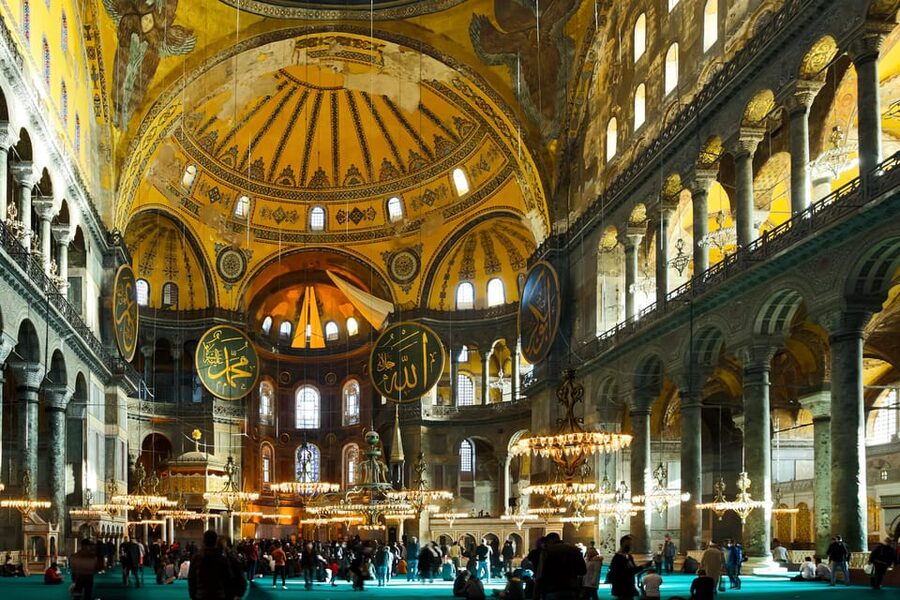
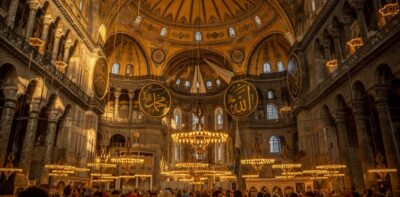
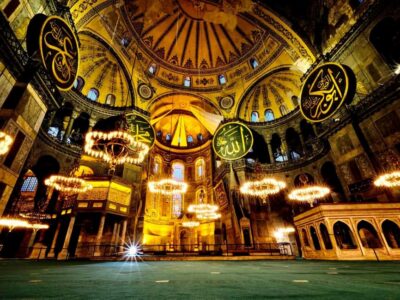
Once inside, the dome is the natural first stop. Hagia Sophia’s interior is powerful because it brings several periods together in one vast space. Byzantine design, Ottoman additions, Christian imagery, Islamic calligraphy, and later changes all occupy the same building.
The audio guide helps you avoid seeing only a grand room with pretty details. It points you toward the historical layers and explains how the building relates to both empires. That context matters here because the most interesting parts are not always the largest ones. A panel of calligraphy, a surviving mosaic, or a change in the wall surface can say as much as the dome itself.
The lighting is softly illuminated in places, which can make the interior feel calm and solemn. It also means some details may be easier to appreciate slowly than in a quick pass. You control the speed, so pause when the guide raises a point that interests you and skip ahead when it does not.
Do not expect every part of the building to look untouched. Restoration work has been noted around the exterior, with scaffolding making it harder to appreciate Hagia Sophia from outside. Conditions can change, but you should be prepared for some obstructed views during an active restoration period.
A completely different sort of day out, same corner of Turkiye:
- Istanbul: Bosphorus Dinner Cruise & Show with Private Table
★ 4.8 · 44,561 reviews - Istanbul: Daytime or Sunset Sightseeing Cruise & Audio Guide
★ 4.8 · 14,430 reviews - Istanbul: Bosphorus Dinner Cruise with Turkish Night Show
★ 4.8 · 10,127 reviews - Best of Istanbul 1, 2 or 3-Day Private Guided Istanbul Tour
★ 5.0 · 8,922 reviews
The upper galleries and the one-hour route
The tourist entrance leads you toward the upper-floor galleries. From there, you can look down into the main interior and gain a different sense of the building’s scale. The raised viewpoint is one of the useful parts of this visit, especially if you want to see the dome and floor plan from above rather than only from the ground.
The route is not a full exploration of every level. Information for the audio guide may refer to two levels, but access to the lower level has not always been available. If you are expecting a complete two-floor visit, ask at the entrance what is open that day.
That limitation matters because the wording can suggest a broader route than the actual public access allows. The visit can still be worthwhile, but you should think of it as an upper-gallery and main-interior experience rather than a guaranteed tour of every floor.
Plan for roughly one hour. You might finish sooner if you move directly through the principal areas, or spend a little longer if you stop often for the audio narration. The stated duration is a useful guide, not a promise that you must leave after exactly 60 minutes.
Byzantine mosaics and Ottoman calligraphy
Hagia Sophia asks you to keep two visual languages in mind at once. Byzantine mosaics preserve traces of the building’s Christian past, while Ottoman calligraphy reflects its later role as a mosque. The contrast is not a side note. It is one of the reasons the interior feels so layered.
The audio guide gives you a way to connect these details rather than treating them as unrelated decoration. You can listen to the account of the Byzantine period, then consider how the Ottoman empire altered and used the same space. That makes the visit more rewarding than simply taking photos beneath the dome.
Photography is allowed, but flash photography is not. Food and drinks are also prohibited inside. Bring a camera if you like, but remember that the most memorable views may be difficult to capture in a single frame. Look first, then take the picture.
Because this is a self-guided visit, you will not have a person beside you to answer follow-up questions. The tradeoff is control. You can stay with a subject that interests you or ignore a section that does not.
How the audio guide affects the experience
An English audio guide is included on your phone. It provides historical narration for Hagia Sophia and also functions as a city guide for other significant Istanbul sights. That second feature may be useful after your visit, particularly if you are planning to walk around the old city on your own.
I like recorded commentary in a building this large because it gives your eyes a job. Without context, it is easy to admire the scale and miss the clues. The guide helps explain why Byzantine workmanship and Ottoman additions appear together and gives the building a clearer timeline.
The drawback is that digital commentary can feel less personal than a live guide. You cannot ask why one feature survived or how a specific restoration was handled. The narration is also only available in English, so this option is best for visitors comfortable listening to historical material in that language.
Keep your phone accessible and make sure the volume is usable before entering. The details for the exact app or headphones are not specified, so check the instructions you receive after booking rather than assuming the guide will work in a particular format.
Crowds, restoration, and practical comfort
The main practical issue is not the amount of walking. It is the combination of crowds, security, and the building’s changing access rules. Comfortable shoes are important, and water is sensible before you enter, since food and drinks are not allowed inside.
Security procedures can slow the start. In the busiest seasons, you may encounter a line even with the skip-the-line ticket. If you are visiting during a crowded part of the day, do not schedule another activity immediately afterward.
Restoration can also affect what you see. Scaffolding has been reported on the exterior, and interior access may not include every level. These conditions are not necessarily permanent, but they are worth checking mentally when you compare this visit with photos taken in earlier years.
The activity is not designed for wheelchair users or people with mobility impairments. The route uses a gentle ramp to the upper galleries, but there is still a moderate amount of walking and no promise of full accessible access.
Who will get the most from this visit
I would recommend this option to you if you want to see Hagia Sophia independently, prefer recorded explanations to a live group, and have only about an hour. It is also a good fit if skipping the ticket-buying line matters more to you than avoiding every wait.
You will probably appreciate the audio guide most if you enjoy history but do not want to read a long guidebook before arriving. The Byzantine and Ottoman focus gives you enough background to make the architecture easier to read.
I would hesitate if you need a guaranteed no-wait entry. The security checkpoint can still create a line, and the $41 cost is high for a short visit. I would also look elsewhere if you require wheelchair access, want commentary in a language other than English, or expect all levels to be open.
Families and independent sightseers may like the freedom to move at different speeds. People with a strict schedule should add extra time for security and possible QR-code trouble. That small buffer could protect the rest of your day.
Cancellation and planning details
You can cancel up to 24 hours before the visit for a full refund, and you can reserve now and pay later. Those terms are useful if your Istanbul schedule is still shifting.
Bring comfortable shoes, a camera, and water for before or after the visit. Do not bring food or drinks into Hagia Sophia, and do not use flash photography.
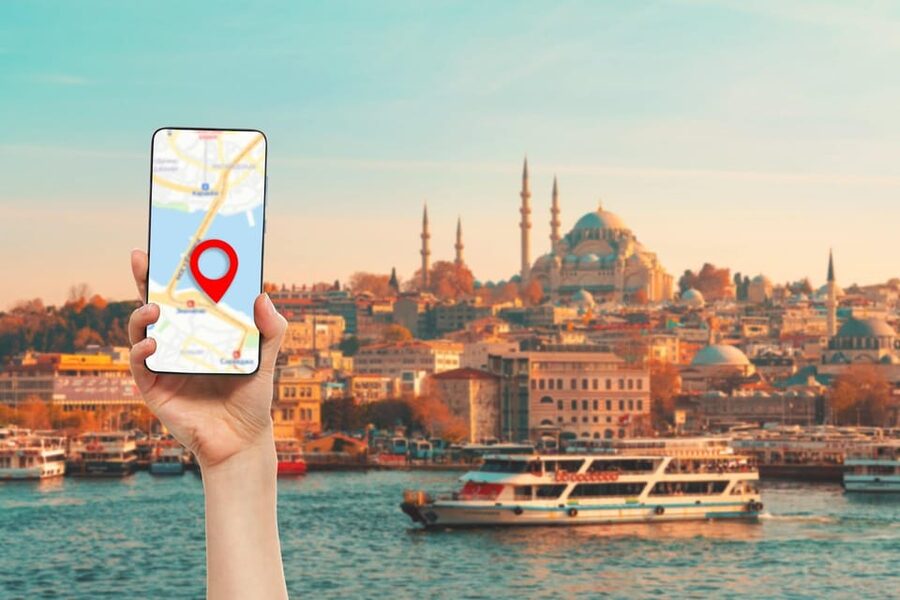
There is no hotel pickup or drop-off. You reach the site yourself, enter through the tourist entrance near Topkapi Palace, and use the audio guide on your own phone.
Should you book the Hagia Sophia digital ticket?
Book it if you want a short, independent visit with English commentary and you value avoiding the regular ticket queue. The upper-gallery access and self-paced format are the best reasons to choose it, while the explanation of Byzantine and Ottoman details adds useful substance.
Skip it if $41 feels high for one hour, if you need guaranteed priority through security, or if you want a live expert who can answer questions. Before committing, be comfortable with the possibility of a security wait, exterior scaffolding, limited lower-level access, and a QR code that may need fixing.
For the right visitor, this is a practical way to enter one of Istanbul’s essential sights without joining a group. Just treat it as a focused digital visit, not a full guided tour with every queue and access issue removed.
FAQ
Where do I enter Hagia Sophia with this ticket?
Foreign visitors use the newly opened tourist entrance near Topkapi Palace. This entrance leads toward the upper-floor galleries by a gentle ramp.
Does the ticket skip the security line?
No. It skips the ticket line, but security checks can still have queues, especially during busy periods.
Is the audio guide available in English?
Yes. The audio guide is available in English and works on your smartphone.
How long does the visit take?
The stated duration is one hour. Your exact time may vary depending on how much of the audio guide you hear and how long you spend at each feature.
Can I use this activity with a wheelchair?
No. The activity is not suitable for wheelchair users or people with mobility impairments.
What is not allowed inside Hagia Sophia?
Flash photography, food, and drinks are not allowed inside. Comfortable shoes, a camera, and water for before or after the visit are recommended.
Newest Istanbul trips on the site
- Turkey Classics 7 Day Escorted Tour from Istanbul★ 4.5 · 165 reviews
- 7 Day 6 Night Express Turkey Tour★ 5.0 · 37 reviews
- Bosphorus Dinner Cruise with Turkish Music and Live Performances★ 4.0 · 158 reviews
- Bosphorus Dinner Cruise & Show with Private Table★ 5.0 · 24 reviews
- Pearl’s of Turkey – 8 Days★ 5.0 · 38 reviews
- Bosphorus Boat Tour 3 Hour with Asian Side Stop in Istanbul★ 5.0 · 97 reviews
- 7 Days Turkey Tour Package – Highlights of Turkey★ 5.0 · 73 reviews
- Turkey Highlights 4 Day Tour from Istanbul Hassle-Free Package★ 5.0 · 91 reviews
Skip-the-Line Tickets, compared.

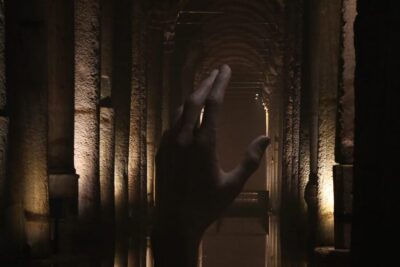
Basilica Cistern Skip-the-Line Entry & Audio Guide
Our review →
Istanbul E-pass: Top Istanbul Attractions with Skip The Ticket Line
Our review →Browse the lists this tour appears in