
Reviewed · CASTLE & PALACE TOURS
Beylerbeyi Palace Skip-the-Line Ticket with Audio Guide
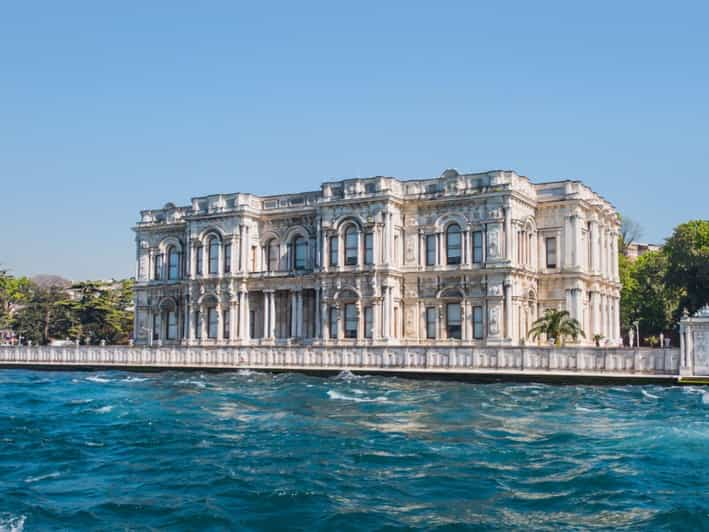
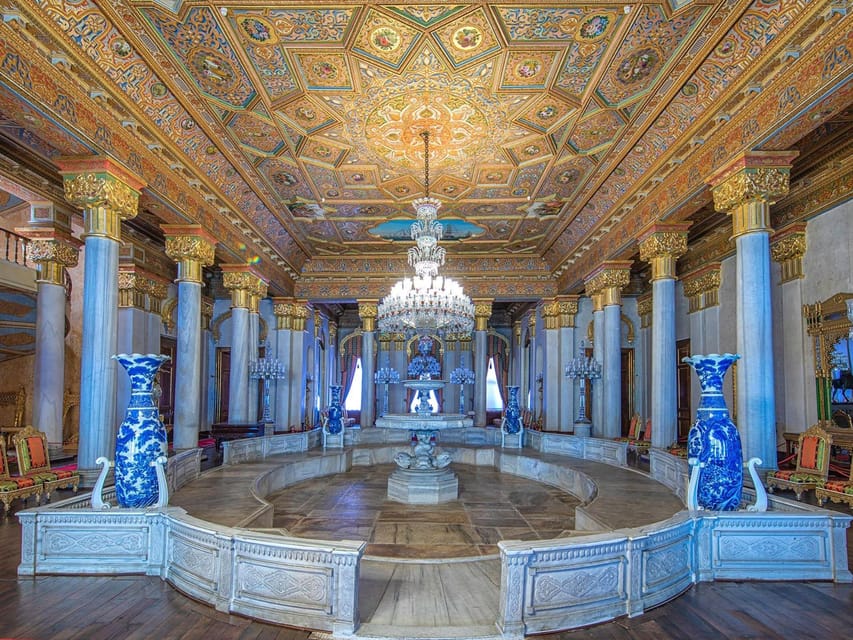
Beylerbeyi Palace gives you a close look at Ottoman court life beside the Bosphorus, in a setting that feels calmer and more personal than Istanbul’s biggest sights. You enter with a skip-the-ticket-line pass, then explore at your own pace with an audio guide rather than following a fixed group.
I like the 25-language audio guide, especially if you want context without hiring a private guide. I also like the price: at $22, the ticket offers solid value for a historic palace with Bosphorus views. The main drawback is that the audio guide arrives by link and cannot be collected at the palace, so you need to handle that before entering.
Key points at a glance
- A former Ottoman summer residence: The current palace was built between 1863 and 1864 and officially opened after its furnishings were arranged in 1865.
- Skip the ticket line: Your entry is designed to reduce waiting at the ticket counter, though palace security or entrance checks may still affect the pace.
- Audio in 25 languages: Options include English, Turkish, French, Spanish, Arabic, Persian, Chinese, Japanese, Korean, Hindi, Urdu, and several European languages.
- Bosphorus setting: The palace sits directly beside the strait, with views toward the water and a nearby bridge.
- A useful $22 choice: The ticket suits independent visitors who want historical detail without paying for a private tour.
- A small practical warning: The audio guide is sent by link, not handed out at the palace, so prepare it before you arrive.
Why Beylerbeyi Palace feels different from Istanbul’s grandest sights

Beylerbeyi Palace is not simply another royal building to tick off in Istanbul. Its position on the Asian shore of the Bosphorus gives the visit a distinct mood. You are looking at a palace made for summer use, official hospitality, and royal retreat, not only for ceremony.
The palace served as a residence for hosting foreign state guests during the late Ottoman period. That purpose helps explain the mix of Ottoman elegance and formal presentation. As you move through the building, think of it as both a private royal home and a stage for diplomacy.
I find the setting especially rewarding because the water is part of the experience. The Bosphorus is not just scenery in the distance. It helps explain why this site mattered to Ottoman rulers, who used the strait as a key route between Europe and Asia.
The visit is also a good choice if you have already seen Istanbul’s better-known imperial monuments and want a different angle on the city. Beylerbeyi offers a more focused look at the final decades of the Ottoman Empire, with time to notice the building’s surroundings rather than rushing through a large complex.
More Skip-the-Line Tickets in Istanbul
- Istanbul: Basilica Cistern Fast-Track Entry and Audio Guide
★ 4.6 · 7,521 reviews - Istanbul: Hagia Sophia Skip-the-Line Ticket & Museum Option
★ 3.7 · 4,958 reviews - Istanbul: Basilica Cistern Skip-the-Line Entry Ticket
★ 4.6 · 2,270 reviews
The story begins before the current palace
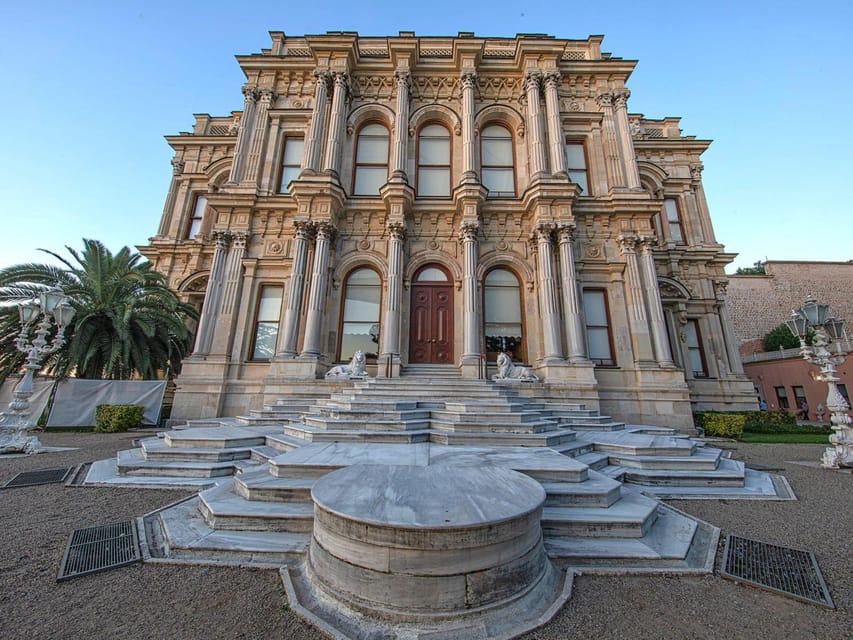
The building you see today was not the first palace on this spot. A summer palace existed here during the reign of Mahmud II, but it fell into disuse after a fire in 1851.
Abdulaziz later ordered the earlier structure demolished, and construction of the present palace began in 1863. The work finished in 1864, while the arrangement of furniture and the official opening followed in 1865.
That timeline gives the palace a useful place in Ottoman history. It belongs to a period when the empire was still presenting royal power with confidence, even as political and financial pressures were growing. The building therefore feels like a late expression of court life, not an early Ottoman monument.
The palace also remained important after the empire ended. In 1925, during the Republic era, it came under the management of the Presidency of National Palaces. Today it operates as a museum palace, allowing you to see how an Ottoman residence was preserved and presented to the public.
The audio guide should help connect these dates. Without that context, you may notice the rooms, decoration, and views but miss the larger story. I recommend listening to the historical introduction before you begin walking through the palace, then pausing when a room or feature catches your attention.
Entering with the $22 skip-the-line ticket
The main practical benefit is straightforward: you receive a ticket intended to let you bypass the regular ticket line. That matters most during busy periods, when standing at a counter can take time away from the palace itself.
The ticket costs $22 per person. I consider that a reasonable price for a self-guided palace visit, particularly if you value flexibility and do not need a live guide. You are paying for admission and the audio guide, not for transportation, a group itinerary, or a personal escort.
The ticket is valid for one day, with available starting times shown when you check the booking calendar. That gives you some room to shape the visit around the rest of your Istanbul plans. Still, check the selected time carefully, since a day-valid ticket does not mean you can ignore the stated availability.
Skip-the-line does not necessarily mean instant movement through every doorway. Palace entry procedures, checks, or staff directions can still slow things down. Treat the benefit as avoiding the ticket-selling queue, not as a promise that you will walk straight inside with no delay.
The ticket also includes free cancellation up to 24 hours in advance for a full refund. You can reserve now and pay later, which helps if your Istanbul schedule is still changing.
Using the audio guide in 25 languages

The audio guide is the part that turns this from a simple admission ticket into a more useful independent visit. You receive access through a link with your tickets. It is specially prepared by Istanbul Tourist Pass and is not available for collection at the palace.
That last point is important. Open the link before you arrive and make sure you know how to access it. I would also bring a charged phone and headphones if you prefer listening privately, though the supplied information does not specify the exact equipment or playback method.
The language list is unusually broad:
- English, German, French, Italian, Spanish, Dutch, Portuguese, and Croatian
- Turkish, Greek, Bulgarian, Polish, Romanian, Ukrainian, Hungarian, Swedish, and Russian
- Arabic, Persian, Urdu, Hindi, Indonesian, Chinese, Japanese, and Korean
For English speakers, the guide should provide the basic historical framework and explain why the palace mattered. If English is not your first language, the range of choices makes the visit easier to follow without relying on a companion to translate.
An audio guide also lets you control the pace. You can spend more time on a section that interests you, pause when you want to take in the building, and move on when you have had enough. That is often better than being tied to a fixed commentary schedule.
The limitation is that this is not a live conversation. You cannot ask follow-up questions about a room, a decorative detail, or the wider Ottoman court. If you want personal interpretation, this ticket will not replace a private guide. For most independent visitors, though, the audio format offers enough structure without taking over the visit.
More palaces and castles in Istanbul:
- Istanbul: Topkapi Palace & Harem Museum Ticket & Audio Guide
★ 4.1 · 3,977 reviews - Istanbul: Topkapi Palace and Harem Guided Tour with Ticket
★ 4.8 · 1,726 reviews - Basilica Cistern &Topkapi Palace &Hagia Sophia Combo Tickets
★ 4.6 · 1,306 reviews - Istanbul: Topkapi Palace & Harem Tour Skip-the-Line Ticket
★ 4.1 · 1,112 reviews
Reading the palace through its late Ottoman purpose
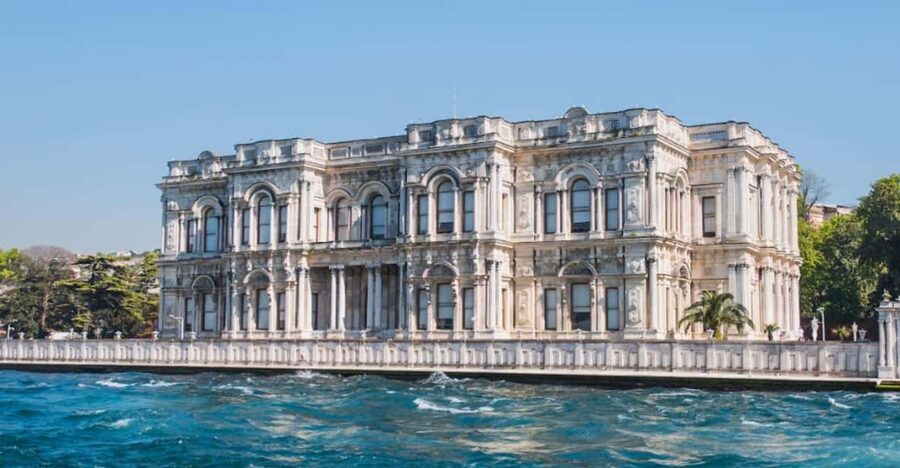
Beylerbeyi’s role as a place for foreign state guests adds an important layer to what you see. This was not only a seasonal escape. It was also a formal setting where the Ottoman court received important visitors.
That dual purpose should shape the way you look at the interiors. You are seeing a residence designed to feel comfortable and impressive at the same time. The palace’s elegance was part of its function. It needed to reflect royal status to people arriving from abroad.
The building’s date also matters. Construction began in 1863, after major changes had already affected the Ottoman Empire. The palace represents the court’s continued ability to build and host, but it also belongs to a waning period. The result is a site where architectural polish and political uncertainty exist side by side.
I would not rush through the visit simply because the palace is smaller than some of Istanbul’s huge attractions. One recent rating praised its cozy character and the bridge view, while another found it expensive for its size. Both reactions make sense. You may finish sooner than you would at a vast palace complex, but the smaller scale can make the experience easier to absorb.
The Bosphorus and bridge views
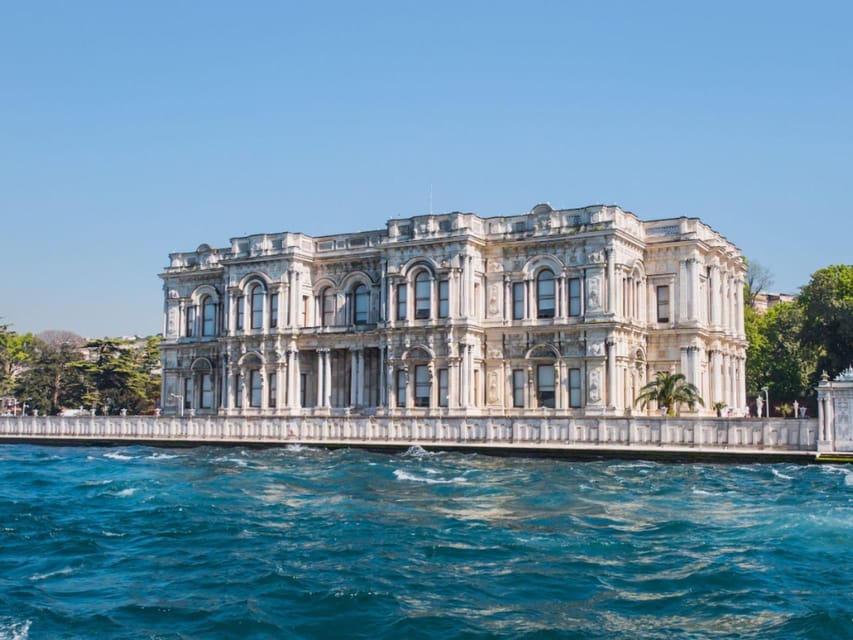
The water is one of Beylerbeyi’s strongest features. The palace sits along the Bosphorus, and the views toward the strait and a bridge give the visit a clear sense of place.
I recommend setting aside time to look outward, not only inward. The Ottoman rulers who used this residence chose the location for practical and symbolic reasons. The Bosphorus connected the imperial capital with important routes, and a palace beside it offered both access and scenery.
The bridge view is a particular highlight. It gives you a modern point of reference beside an Ottoman royal residence, a useful reminder that Istanbul’s history is not sealed away from present-day life.
This is also where the $22 price becomes easier to judge. You are not paying only to look at an enclosed building. You are visiting a historic palace with a waterfront setting that adds atmosphere and visual interest. If you care more about grand collections or a long list of rooms than location, you may find the visit brief. If you like architecture paired with a strong view, the setting adds real value.
Photos, videos, and dealing with palace staff
Photography rules require a little care. The available information indicates that photographs are allowed and videos are not. One account praised the chance to take pictures inside, while another described a difficult exchange with staff near the stairs over photography and visitor movement.
The practical lesson is simple: follow posted rules and staff instructions, even if a space appears empty. Ask before taking a picture in a sensitive area, keep moving when requested, and avoid blocking stairways or narrow passages.
You should also allow for the possibility that staff enforcement may feel strict. One recent experience described repeated shouting and an unpleasant interaction near the stairs. That does not define the whole visit, but it is a fair consideration when deciding how much patience to bring.
Beylerbeyi is best enjoyed with a quiet, observant approach. Take your pictures where permitted, do not film, and treat the building as a working museum rather than an unrestricted photo set. That will help you avoid unnecessary friction.
Who will get the most from this visit
I would recommend this ticket to independent visitors who want to explore without a fixed group schedule. The audio guide gives you structure, while the one-day validity leaves room to fit the palace into a wider Istanbul itinerary.
It also suits visitors who appreciate historical context but do not need a live guide. The 25-language choice is a major advantage for couples or families who prefer different languages, and it removes the need to arrange separate interpretation.
The experience may be less satisfying if you expect a long palace tour packed with large galleries and many layers of decoration. One rating described the palace as beautiful but small for the price. At $22, the value depends on what you want: a manageable historic residence with water views, or a full-day imperial complex with a much longer route.
Families may appreciate the freedom to move at their own pace, though the audio guide’s usefulness will depend on the age and attention span of children. Wheelchair access is listed, making the ticket suitable for visitors who need an accessible attraction, although no further details about routes or facilities are provided.
How much time should you allow?
The ticket is valid for one day, but the supplied details do not state a fixed visit duration. I would plan the palace as one stop within your day rather than assume it will fill the entire day.
Give yourself enough time to listen to the audio guide, inspect the palace, and enjoy the Bosphorus views without rushing. The exact amount depends on how closely you follow the commentary and how much time you spend taking permitted photographs.
Because the palace is described as smaller than some major Istanbul sights, you might find the visit manageable in a tighter schedule. Still, do not reduce it to a quick photo stop. The historical sequence from Mahmud II’s earlier summer palace to the current building, followed by its role in the Republic era, gives the audio guide a useful arc.
Should you book Beylerbeyi Palace with the audio guide?
Book it if you want a reasonably priced, self-guided palace visit with a strong Bosphorus setting and a way to avoid the ticket counter. The 25-language audio guide is the main reason to choose this option instead of buying basic admission alone.
I would be more cautious if you want a large, room-filled palace or personal guidance from a live expert. The building may feel small for $22, and staff interactions can occasionally be abrupt, especially around photography and stairways.
For most visitors, the best approach is to prepare the audio link before arrival, check the available time, follow the photography rules, and leave room to enjoy the water views. If that sounds like your kind of Istanbul stop, this ticket offers a practical way to see Beylerbeyi without overcomplicating the day.
FAQ
What is included in the Beylerbeyi Palace ticket?
The ticket includes skip-the-ticket-line entry to Beylerbeyi Palace and an audio guide available in 25 languages.
How do I receive the audio guide?
The audio guide is provided through a link with your tickets. It cannot be collected at the palace, so access the link before you arrive.
Which languages are available for the audio guide?
The guide is available in English, German, Russian, Persian, Arabic, French, Italian, Chinese, Dutch, Spanish, Hindi, Romanian, Ukrainian, Korean, Turkish, Bulgarian, Polish, Swedish, Japanese, Indonesian, Greek, Hungarian, Portuguese, Urdu, and Croatian.
How much does the experience cost?
The listed price is $22 per person.
Is the ticket valid for more than one day?
No. The ticket is valid for one day, with starting times shown according to availability.
Can I cancel the booking?
Yes. You can cancel up to 24 hours in advance for a full refund. You can also reserve now and pay later.
Newest Istanbul trips on the site
- Turkey Classics 7 Day Escorted Tour from Istanbul★ 4.5 · 165 reviews
- 7 Day 6 Night Express Turkey Tour★ 5.0 · 37 reviews
- Bosphorus Dinner Cruise with Turkish Music and Live Performances★ 4.0 · 158 reviews
- Bosphorus Dinner Cruise & Show with Private Table★ 5.0 · 24 reviews
- Pearl’s of Turkey – 8 Days★ 5.0 · 38 reviews
- Bosphorus Boat Tour 3 Hour with Asian Side Stop in Istanbul★ 5.0 · 97 reviews
- 7 Days Turkey Tour Package – Highlights of Turkey★ 5.0 · 73 reviews
- Turkey Highlights 4 Day Tour from Istanbul Hassle-Free Package★ 5.0 · 91 reviews
Castle & Palace Tours, compared.

Topkapi Palace & Harem Museum Ticket & Audio Guide
Our review →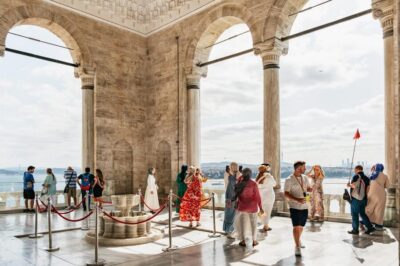
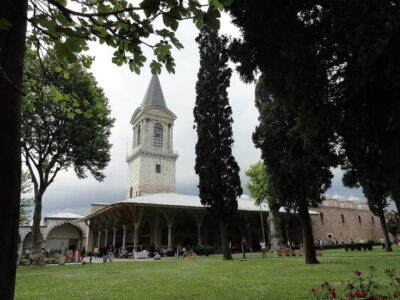
Basilica Cistern & Topkapi Palace & Hagia Sophia Combo Tickets
Our review →

Dolmabahce Palace & Harem Fast-Track Entry with Audio Guide
Our review →


Browse the lists this tour appears in