
Reviewed · TURKISH COFFEE WORKSHOPS
Istanbul: Turkish Coffee Making and Fortune Telling Workshop
Turkish coffee is more than a hot drink here. It is a social ritual, a way to welcome people, and an excuse to sit still for a while. This two-hour workshop turns that everyday tradition into a hands-on lesson where you grind beans, brew your own cup, and learn how coffee grounds become part of a playful fortune-telling ritual.
I like the mix of doing and learning. You get a short cultural lesson, practical brewing time, several tastings, Turkish delight, and a useful cezve set to take home. I also like the small-group format, capped at 10 people, which gives you a better chance to ask questions and get help with your first brew.
The main thing to consider is location and transport. The listed meeting point is Merhaba Pastanesi on Ankara Cd. in Fatih, but some sessions have included a meeting and metro transfer to the Asian side. Confirm the exact meeting and workshop location before you set out, and allow extra time if a transfer is involved.
Key points to know before booking
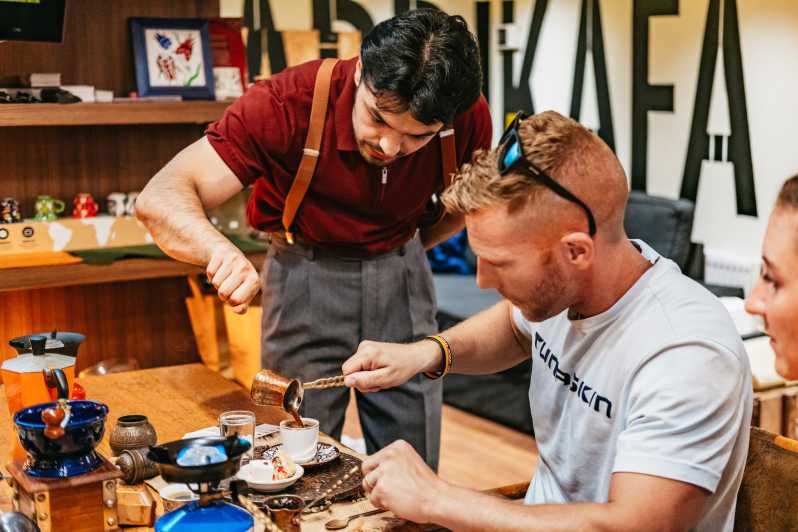
- You make the coffee yourself: Grind premium beans and use a traditional cezve under the instructor’s guidance.
- The lesson goes beyond recipes: Expect coffee history, Ottoman and Turkish cultural context, and an explanation of coffee’s role in social life.
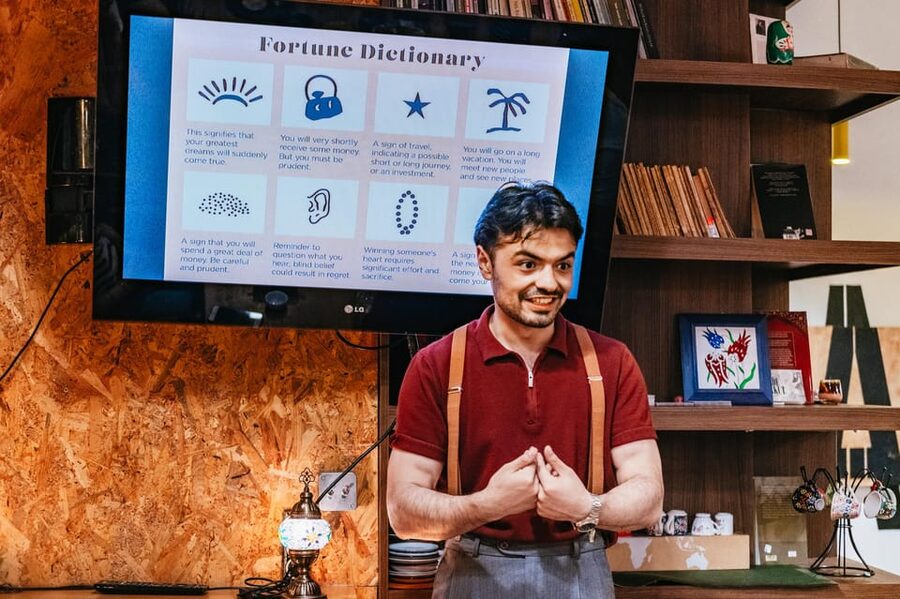
- Fortune telling is part of the fun: You learn how people read shapes left by the grounds, but it is best treated as entertainment.
- The take-home gift adds real value: The set includes a cezve, Turkish coffee, and a traditional mug, with some sessions also providing a hand-painted tea set or certificate.
- The group stays small: The activity is limited to 10 participants and is offered in English or Turkish.
- The price is modest for what is included: At $23 per person, you receive instruction, tastings, sweets, water, and equipment to continue the ritual at home.
Starting at Merhaba Pastanesi in Fatih
The meeting point is Merhaba Pastanesi, at Hoca Paşa, Ankara Cd., in Istanbul’s Fatih district. Look for the historic building and its vintage signboard marked merhaba. Your guide should be waiting just inside the entrance.
This is a useful starting point if you are already exploring the old city. The area is close to major sights and public transport, so you can pair the workshop with time in Sultanahmet or nearby neighborhoods. The activity itself is not a sightseeing tour, though. The focus is coffee, conversation, and learning how to prepare the drink properly.
Transport arrangements need a little attention. The official meeting details name the Fatih pastry shop, while several sessions have used a downtown meeting point before taking participants by metro to a workshop space on Istanbul’s Asian side. This may not apply to every departure, so check the current instructions rather than assuming the workshop happens at the first meeting point.
If you are coming directly from another appointment, do not cut it too close. A few minutes spent finding the signboard, locating the guide, or joining a group transfer can matter more in Istanbul traffic than you might expect.
More Turkish Coffee Workshops in Istanbul
- Istanbul: Turkish Coffee Making and Fortune Telling Workshop
★ 4.9 · 451 reviews - Turkish Coffee on Sand Workshop: Fortune Telling & Gift Set
★ 5.0 · 309 reviews - Istanbul Turkish Coffee Making & Fortune Telling Workshop
★ 5.0 · 173 reviews
The opening lesson: coffee as part of Turkish life
The session begins with a presentation on Turkish coffee culture and history. This gives the practical work some meaning. You are not simply learning how much coffee to put in a small pot. You are learning why the drink is prepared slowly, served in small cups, and often used to bring people together.
The subject reaches beyond Turkey. Coffee moved through trade routes and developed into a major part of social life across the Ottoman world. One useful detail covered in the workshop is the link between mocha and Mukha, the Yemeni port associated with the coffee trade. Details like this help place your cup in a much wider story.
The best guides make this part conversational rather than academic. Hosts named in the sessions include Kübra, Mehmet, Taner, Faruk, and Kubra, and the strongest praise is directed at their patience, humor, and ability to explain the subject clearly. Kübra is repeatedly described as warm and calm while teaching the brewing steps. Mehmet is praised for connecting coffee with Turkish and Ottoman culture. Taner is noted for his passion and for offering useful food tips around Istanbul.
The exact host can vary, but the format stays focused on approachable instruction. You can ask questions, hear stories, and see how coffee fits into everyday customs. This is especially helpful if you know little about Turkish coffee before arriving.
Grinding the beans and using the cezve
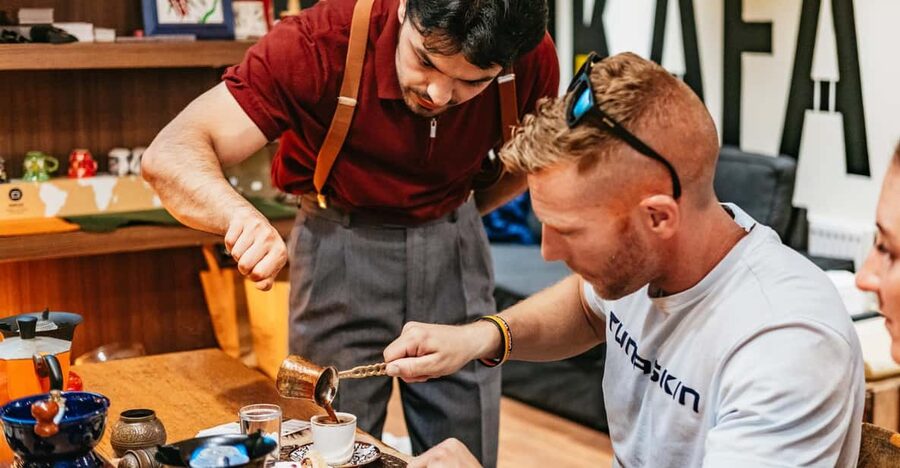
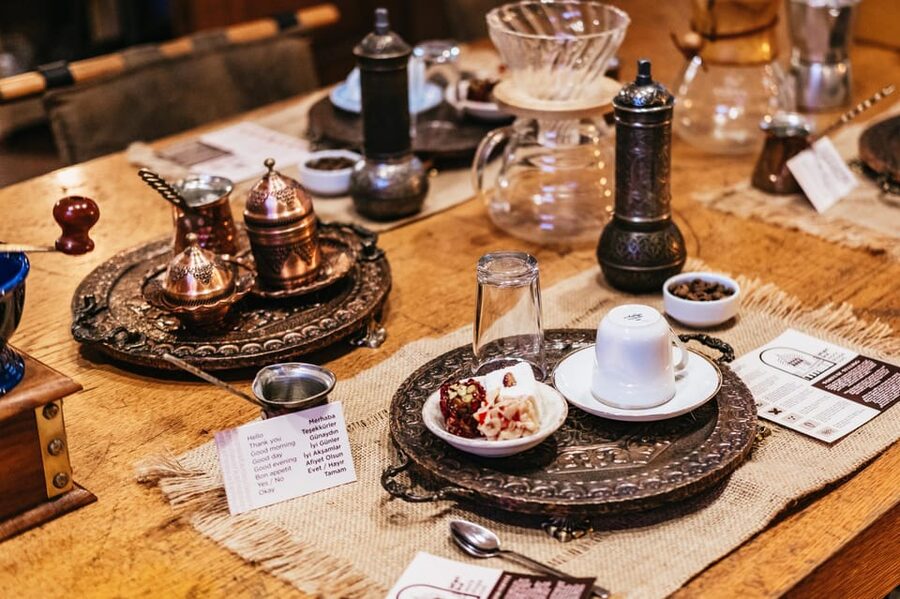
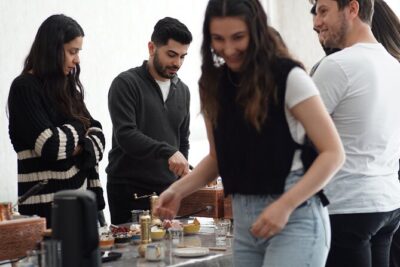
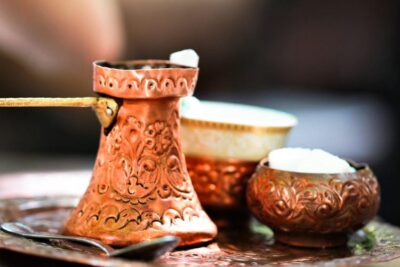
The hands-on section is the heart of the experience. You grind premium Turkish coffee beans, then learn to prepare the drink in a cezve, the small traditional pot used for brewing.
The process is simple in principle, but it rewards patience. You follow the instructor’s steps, pay attention to the texture of the grind, and watch the coffee as it heats. The goal is not to rush toward a large mug. Turkish coffee is prepared in a small serving, with a concentrated flavor and grounds that settle at the bottom of the cup.
You brew your own coffee rather than only watching a demonstration. That makes the lesson more useful once you return home. The guides explain the process clearly and work step by step, so beginners should feel comfortable even if they rarely prepare coffee.
I like this part because it gives you a small skill, not just a souvenir. The method is compact enough to repeat in your own kitchen, and the included cezve means you do not need to search for special equipment immediately after the workshop.
The coffee can be strong and unfiltered. If you prefer mild coffee or do not usually drink it, you can still follow the preparation and take part in the tasting, but the flavor may be more intense than expected. One participant who does not drink coffee still found the cultural side worthwhile, which is a useful clue for non-coffee drinkers.
Tasting coffee with Turkish delight
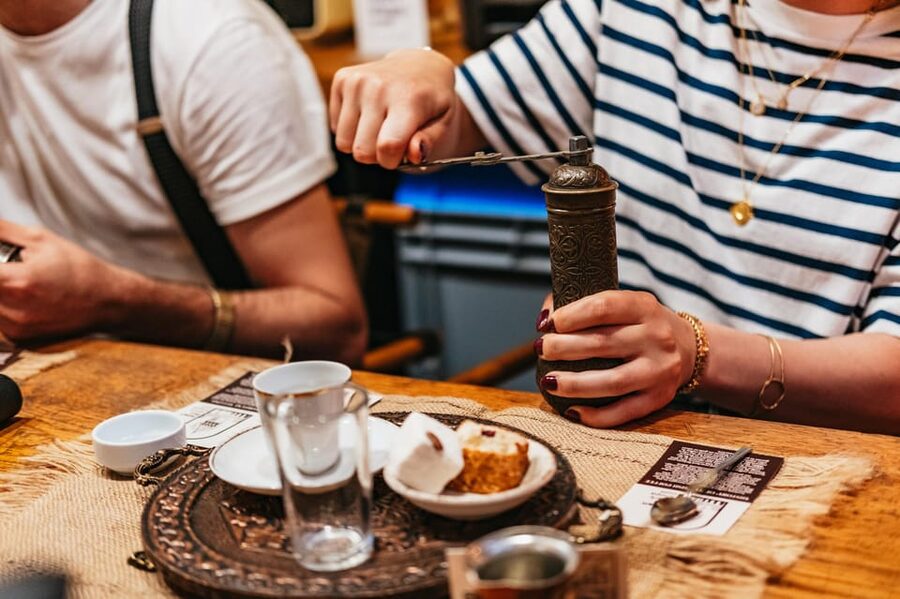
The tasting portion adds variety to the lesson. You receive Turkish coffee alongside sweet Turkish delight, plus water and, in some sessions, tea and additional coffee.
The activity information describes a tasting of three types of Turkish coffee, while the detailed schedule also refers to two different varieties. The precise selection may change by session, but you should expect more than one style or flavor. Some participants specifically enjoyed a pistachio coffee, while others focused on the quality of the main coffee served.
The sweets are not just decoration. Turkish delight gives you a sugary contrast to the strong, roasted coffee and makes the tasting easier for people who are new to the drink. Water is also included, which is useful because Turkish coffee leaves a pronounced flavor.
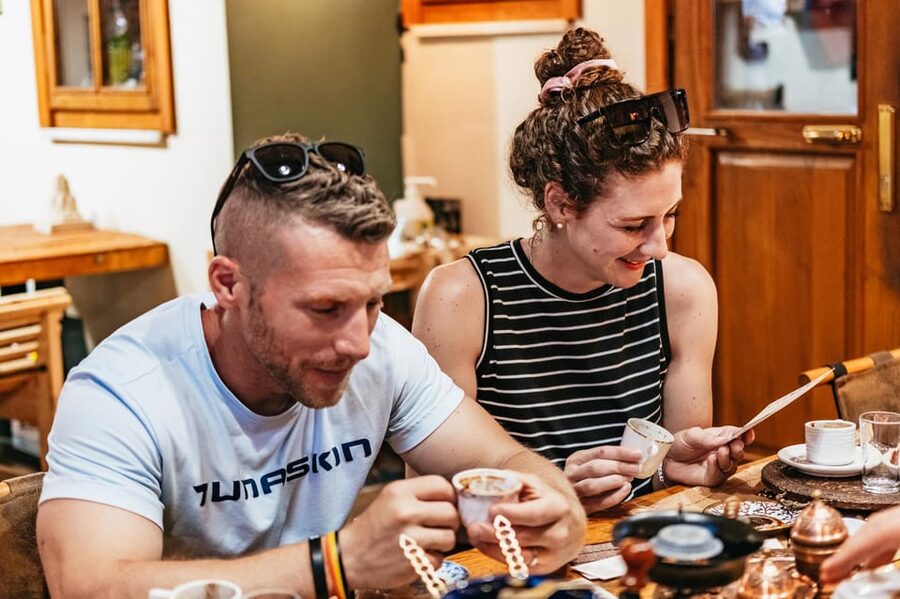
This is a social part of the workshop. You sit with the group, compare cups, and talk about what you are tasting. The small size, no more than 10 people, helps keep the setting relaxed rather than turning the session into a lecture.
A completely different sort of day out, same corner of Turkiye:
- Istanbul: Bosphorus Dinner Cruise & Show with Private Table
★ 4.8 · 44,561 reviews - Istanbul: Daytime or Sunset Sightseeing Cruise & Audio Guide
★ 4.8 · 14,430 reviews - Istanbul: Bosphorus Dinner Cruise with Turkish Night Show
★ 4.8 · 10,127 reviews - Best of Istanbul 1, 2 or 3-Day Private Guided Istanbul Tour
★ 5.0 · 8,922 reviews
Fortune telling from the coffee grounds
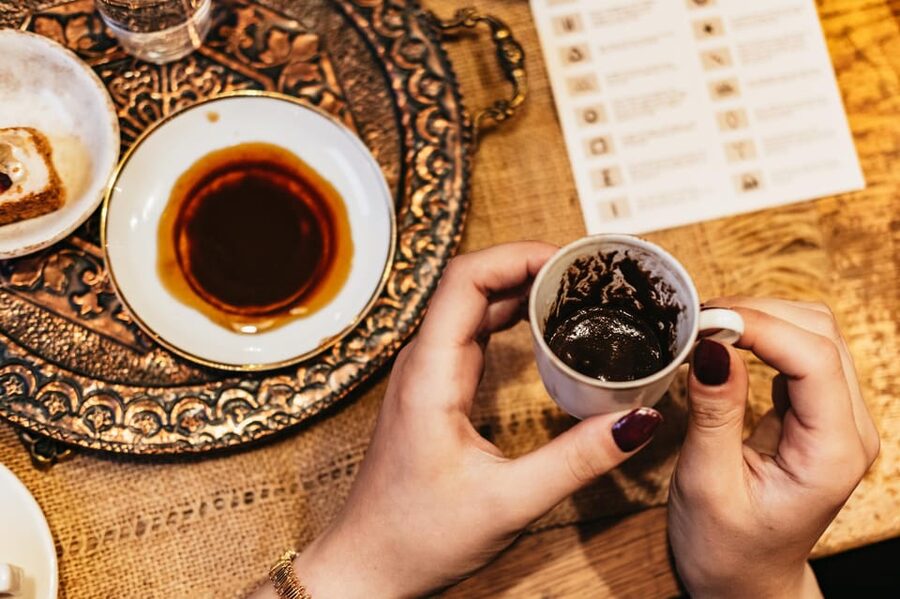
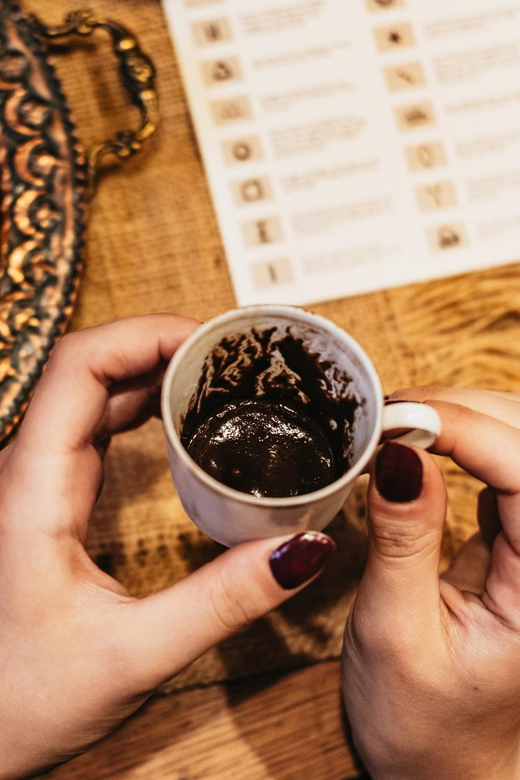
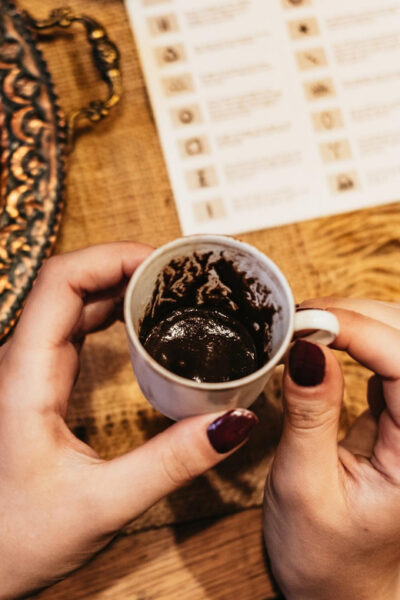
After you finish drinking, the grounds remain in the cup. The workshop explains how people read the shapes and marks left behind, turning the residue into a fortune-telling ritual.
This is a playful cultural custom rather than a serious prediction service. One participant described it as a bit gimmicky, while others found the reading one of the most memorable parts of the afternoon. Your enjoyment will depend on how much you like folklore, symbolism, and a little theatrical fun.
The guide may point out forms in the grounds and connect them with stories about the future. It gives the group something to laugh about and encourages conversation after the more practical brewing work. If you take the ritual lightly, it works well as a closing activity.
I would not book this solely for fortune telling. The coffee lesson, cultural background, and take-home set are the stronger reasons to go. Think of the reading as a charming extra that helps show how coffee can move from a drink into a social tradition.
What you take home for $23
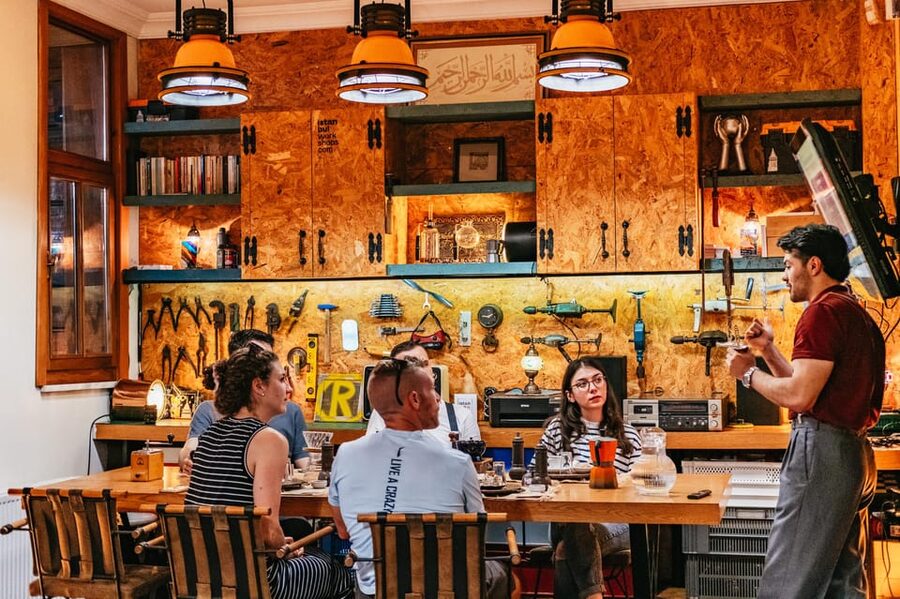
The price is $23 per person, and the included gift helps make it good value. Your set includes a cezve, Turkish coffee, and a traditional mug. Some sessions have also included a hand-painted tea set, a small gift bag, or a certificate.
The exact appearance of the gift may vary, so do not book expecting a particular color or design. Still, the basic equipment is practical. You can use the cezve to repeat the lesson at home, share coffee with friends, or bring the ritual into a family gathering.
At this price, the value is not only in the objects. You also receive a two-hour activity, instruction in English or Turkish, coffee tastings, Turkish delight, water, and access to a guide who can explain the customs behind the drink. A museum ticket may give you information, but this workshop gives you a small cultural practice you can continue.
Hotel pickup and drop-off are not included. Any arranged meeting transfer should be checked separately, since the standard details identify a city meeting point rather than a hotel service.
How the guides shape the experience
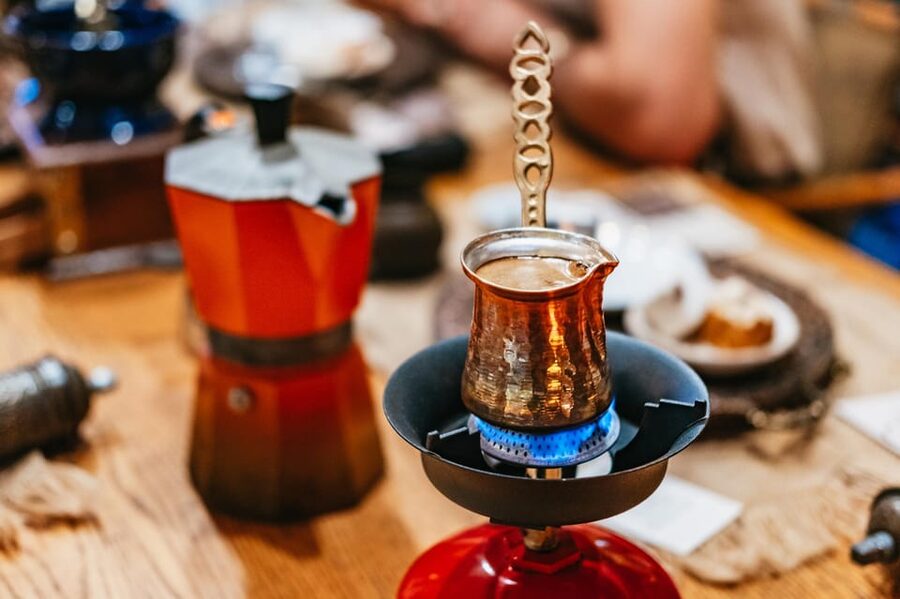
The guide matters here because the workshop depends on explanation and atmosphere. Coffee making alone could be shown in a few minutes. The value comes from the stories, corrections, cultural notes, and patience that turn the process into a useful lesson.
Kübra receives especially strong praise for her clear brewing instructions, energy, and warmth. Mehmet is noted for his humor and for making coffee’s connection to Turkish and Ottoman history easy to understand. Taner is described as passionate about coffee and willing to share suggestions for places to eat in Istanbul.
Faruk is also praised for his coffee-making and fortune-telling skills. Other sessions have included hosts named Kubra, Ilham, and Ali in organizing or transfer roles. The staff’s friendly approach is a repeated strength, including help with practical matters such as taxis and meeting arrangements.
Since the instructor can change, you should not book only because of one particular name. The important point is that the activity has several hosts who are comfortable teaching international visitors, and the session is offered in English or Turkish.
Who will enjoy this Istanbul workshop
This is a strong choice if you want a break from major sights and prefer an activity with a local custom at its center. It works well for couples, solo visitors, families with older children, and friends looking for a shared souvenir that is more useful than another decorative object.
It is also a good birthday activity or rainy-day plan. The setting is indoors, the group is small, and the work is calm rather than physically demanding. The experience is wheelchair accessible, which makes it easier for many visitors to consider, though you should still confirm the current route and meeting arrangements if a transfer is involved.
You do not need to be a serious coffee fan. The history, social customs, sweets, and fortune telling give non-drinkers other ways to enjoy the session. Still, anyone who dislikes strong coffee may want to focus on the method and culture rather than the tasting itself.
This may not suit you if you want a fast, polished demonstration with no participation. You will be expected to grind beans and prepare your own cup. The lesson also moves at an unhurried pace, which is part of the point but may test anyone trying to fit too many sights into one day.
Practical details that affect your plans
The workshop lasts about two hours, but allow additional time for finding the meeting point or joining a possible metro transfer. Starting times vary, so check availability for the day you want.
English and Turkish instruction is available. The group is limited to 10 people, which is a useful middle ground: social enough to meet others, but small enough for personal guidance.
Free cancellation is available up to 24 hours before the activity for a full refund. You can also reserve now and pay later, which helps if your Istanbul schedule is still shifting.
Bring a little patience and an open mind. The coffee is prepared slowly, and the fortune telling is meant as a cultural ritual rather than a factual forecast. If you treat the session as a chance to learn, make something, and talk over a cup, the pace feels natural.
Should you book the Turkish coffee workshop?
I would book this if you want an affordable, hands-on introduction to a Turkish tradition. The strongest reasons are the small group, patient instruction, practical brewing lesson, and take-home cezve set. At $23, the combination of coffee, sweets, cultural background, and equipment is unusually generous.
Before paying, confirm where your particular departure meets and whether the session includes transport to a workshop space on the Asian side. Also remember that the coffee tasting and fortune telling are central parts of the experience, so this is not the right pick if you want a purely technical barista class.
For most visitors, it is a pleasant two-hour pause from sightseeing and a way to carry a little of Istanbul home. You make the coffee yourself, learn why it matters, and leave with the tools to repeat the ritual.
FAQ
Where does the Turkish coffee workshop meet?
The listed meeting point is Merhaba Pastanesi at Hoca Paşa, Ankara Cd., 34112 Fatih, Istanbul. Look for the historic building with the vintage signboard reading merhaba and meet the activity provider just inside the entrance.
How long does the workshop last?
The experience lasts two hours. Starting times vary, so check availability when selecting your date.
Is the coffee workshop offered in English?
Yes. The instructor languages are English and Turkish.
What is included in the price?
The activity includes a presentation on Turkish coffee culture and history, a brewing workshop, coffee tasting, Turkish delight, water, premium beans for the workshop, and a Turkish coffee gift set with a cezve, coffee, and traditional mug.
What is included in the fortune-telling part?
You learn about the tradition of reading shapes left by Turkish coffee grounds. The activity presents this as a cultural and entertaining ritual.
Can I cancel the booking?
You can cancel up to 24 hours in advance for a full refund. Reserve now and pay later is also available.
Newest Istanbul trips on the site
- Turkey Classics 7 Day Escorted Tour from Istanbul★ 4.5 · 165 reviews
- 7 Day 6 Night Express Turkey Tour★ 5.0 · 37 reviews
- Bosphorus Dinner Cruise with Turkish Music and Live Performances★ 4.0 · 158 reviews
- Bosphorus Dinner Cruise & Show with Private Table★ 5.0 · 24 reviews
- Pearl’s of Turkey – 8 Days★ 5.0 · 38 reviews
- Bosphorus Boat Tour 3 Hour with Asian Side Stop in Istanbul★ 5.0 · 97 reviews
- 7 Days Turkey Tour Package – Highlights of Turkey★ 5.0 · 73 reviews
- Turkey Highlights 4 Day Tour from Istanbul Hassle-Free Package★ 5.0 · 91 reviews
Turkish Coffee Workshops, compared.
Turkish Coffee on Sand Workshop: Fortune Telling & Gift Set
Our review →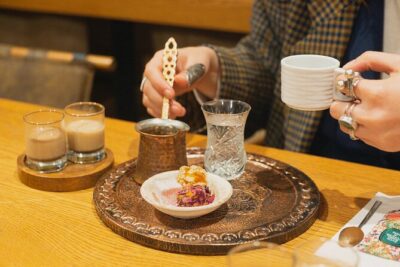
Istanbul Turkish Coffee Making & Fortune Telling Workshop
Our review →

Browse the lists this tour appears in