
Reviewed · WALKING TOURS
Istanbul: Half Day Morning Walking Tour
Istanbul’s Sultanahmet district packs centuries of power into a surprisingly small area. In three hours, this tour takes you from the former Byzantine cathedral of Hagia Sophia to the blue-tiled Blue Mosque, then across the old Hippodrome and into the Grand Bazaar.
I like the small group limit of 10, which gives you a better chance to hear the guide and ask questions. I also like the route itself: four major sights, all within the old city, with no time lost to transport. The main drawback is price. At $62 per person, this is not a bargain if you only want a quick orientation or plan to explore these places on your own.
Key points to know
- Hagia Sophia anchors the tour: See one of the world’s great Byzantine buildings, begun as a basilica under Emperor Justinian.
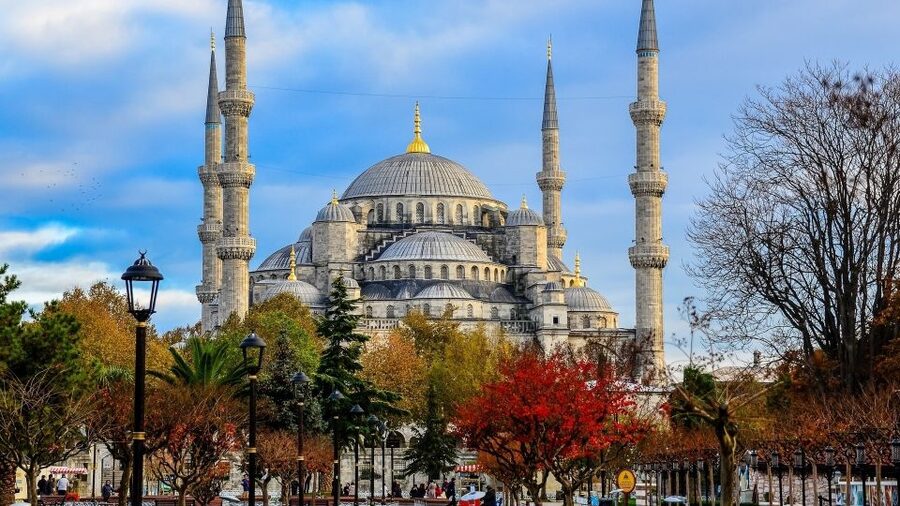
- The Blue Mosque is famous for its blue Iznik tiles: Its six minarets make it one of Istanbul’s most recognizable sights.
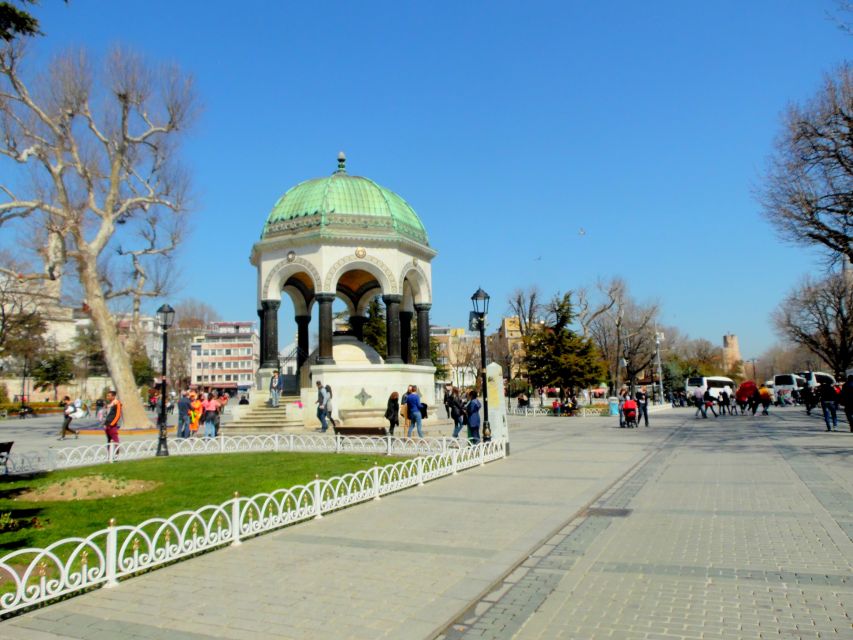
- The Hippodrome connects the landmarks: Obelisk of Theodosius, Serpentine Column, and German Fountain mark the old center of public life.
- The Grand Bazaar adds a commercial finale: It is one of the world’s oldest and largest covered markets, though it is closed Sundays.
- The group is capped at 10 people: That suits you if you want live explanations without the feel of a large coach tour.
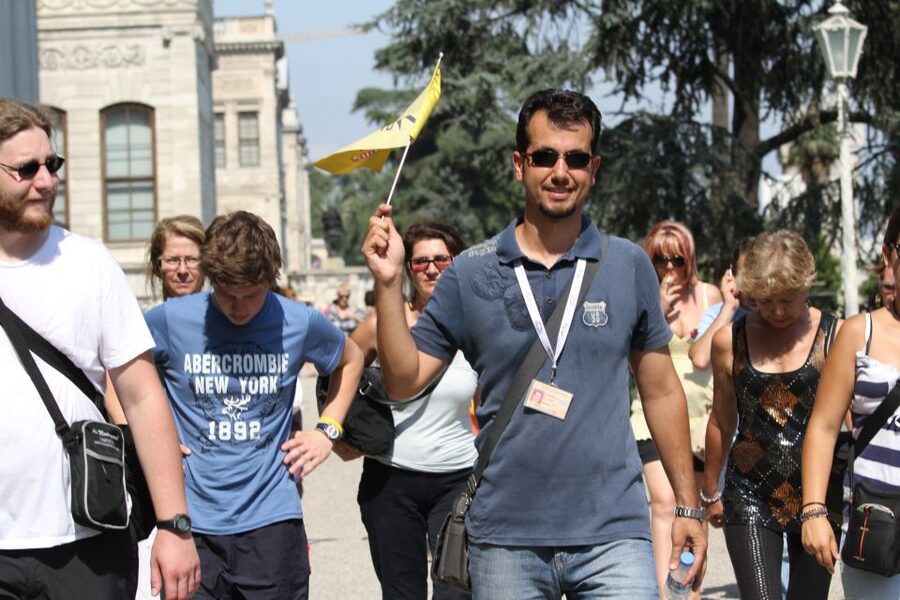
- Tulay has received especially warm praise: The guide has been described as professional, warm, entertaining, and highly experienced.
Sultanahmet gives you Istanbul’s biggest sights in one walk
If you have only a short time in Istanbul, Sultanahmet is the sensible place to begin. This is where the city’s Byzantine and Ottoman rulers placed their grandest religious buildings, public monuments, and commercial centers.
The tour keeps you on foot for three hours. That matters because the main sights are close together, yet each one tells a different part of the city’s story. Hagia Sophia brings Byzantine Constantinople into view. The Blue Mosque shows the confidence of the Ottoman Empire. The Hippodrome explains how the old city gathered for sport and politics. The Grand Bazaar shifts the focus to trade.
You will not spend half the morning waiting for a vehicle or crossing town. Instead, your time goes toward buildings, monuments, and the streets between them. Wear comfortable shoes, since this is a walking tour rather than a sightseeing ride.
The English-speaking guide is the main reason to book instead of walking the route alone. You can see the domes and columns without help, but a guide gives you the names, dates, and connections that turn a collection of famous sights into a coherent visit.
More Walking Tours in Istanbul
- Istanbul: Fener Balat Half-day Guided Walking Tour
★ 4.9 · 1,711 reviews - Istanbul Highlights Small-Group Walking Guided Tour
★ 4.5 · 1,346 reviews - Istanbul: European and Asian Side Guided Foodie Walking Tour
★ 4.9 · 1,038 reviews
Hagia Sophia and the scale of Justinian’s ambition
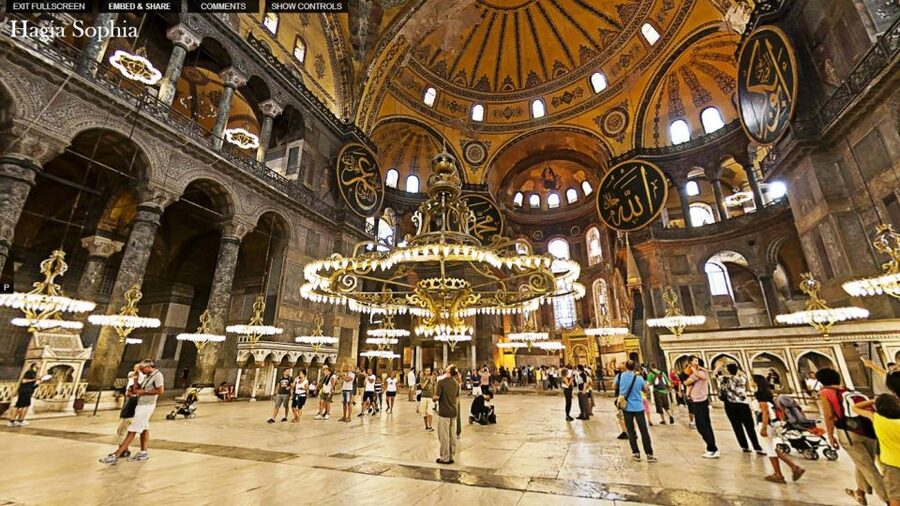
Hagia Sophia is the tour’s great architectural moment. Emperor Justinian had it built as a basilica in the sixth century, and it remained the largest cathedral in the world for nearly a thousand years.
That single fact helps explain why the building matters. Hagia Sophia was not designed as a modest neighborhood church. It was meant to express the power of Constantinople and the Byzantine emperor. Its scale and architectural daring made it a masterpiece of Byzantine design.
The building later became the patriarchal basilica of Constantinople. After Sultan Mehmet II took the city in 1453, it was converted into a mosque. That change is part of what makes the monument so important: one building carries the religious and political story of both Byzantine and Ottoman Istanbul.
Pay close attention to the guide’s explanation here. A short visit can easily become a quick photo stop unless someone gives you the larger frame. The value of a local expert is strongest at a site like this, where the same walls have served different empires and religious traditions.
The tour information does not clearly promise a full interior visit, so check the current access arrangements when you book. The description specifically notes no entrance from outside, which suggests that the exact viewing arrangement matters. If entering Hagia Sophia is essential to you, confirm what is included rather than assuming the walking tour covers every interior area.
One practical note says Saint Sophia is open on Mondays from April 1 through October 30. Because opening rules and access can change, treat that as a date-specific detail to verify before setting your schedule.
The Blue Mosque and its 20,000 blue tiles
Across from Hagia Sophia, the Blue Mosque provides a clear Ottoman counterpoint. It was built in the name of Sultan Ahmet and is regarded as the last great imperial mosque of the classical period.
Its familiar nickname comes from roughly 20,000 blue-toned Iznik tiles decorating the interior walls. The six minarets are another defining feature. They give the mosque a distinctive outline and once marked an unusual level of imperial confidence.
I like this stop because it lets you compare two major buildings face to face. Hagia Sophia represents Byzantine engineering and Christian imperial power. The Blue Mosque reflects Ottoman mosque design and the authority of Sultan Ahmet. You do not need a long lecture to grasp the contrast, but a good guide can point out why the pairing matters.
Access is the key concern. The supplied information includes a note that the Sultan Ahmed Mosque was closed for renovations from March 1, 2018, through May 15, 2018. Those dates are old, so they should not be treated as a current closure notice. Still, they show why you should check the mosque’s status before booking or visiting.
Dress and conduct requirements are not listed in the tour details, so the safest advice is simply to arrive prepared for a religious site and follow the instructions given locally. The tour description promises a visit, but conditions at active places of worship can affect the pace and route.
The Hippodrome reveals the city’s public life
The Hippodrome is not just an open space between famous buildings. In the old city, it was a center for chariot races, athletics, and political activity.
This stop gives the tour a useful change of pace. After discussing imperial churches and mosques, you get a sense of how ordinary public life and political theater unfolded. Crowds gathered here for sport, celebration, and conflict. The Hippodrome was a place where the city could see power in action.
Three monuments are singled out on the route:
- The Obelisk of Theodosius
- The Serpentine Column
- The German Fountain of Wilhelm II
The Obelisk of Theodosius brings an ancient Egyptian monument into the Byzantine setting. The Serpentine Column points to the long connections between the ancient Mediterranean world and Constantinople. The German Fountain of Wilhelm II represents a much later period and shows that the square continued to carry political meaning after the Byzantine and Ottoman eras.
This is where a guide can make a real difference. Without context, the monuments may look like unrelated objects in a plaza. With names and dates, the Hippodrome becomes a record of the city’s changing rulers and alliances.
Do not expect a large museum visit here. The appeal is the setting and the story told through monuments. If you prefer interiors and formal exhibits, this portion may feel less substantial. If you like seeing history in the streets, it is one of the tour’s better segments.
A completely different sort of day out, same corner of Turkiye:
- Istanbul: Bosphorus Dinner Cruise & Show with Private Table
★ 4.8 · 44,561 reviews - Istanbul: Daytime or Sunset Sightseeing Cruise & Audio Guide
★ 4.8 · 14,430 reviews - Istanbul: Bosphorus Dinner Cruise with Turkish Night Show
★ 4.8 · 10,127 reviews - Best of Istanbul 1, 2 or 3-Day Private Guided Istanbul Tour
★ 5.0 · 8,922 reviews
The Grand Bazaar closes the route with trade and color
The final major stop is the Grand Bazaar, one of the oldest and largest covered markets in the world. It gives you a different view of Istanbul from the monumental buildings nearby.
The bazaar is about commerce, movement, and the practical life of the city. After seeing places built for emperors and sultans, you enter a market shaped by buying, selling, and daily trade. Even a short visit helps you see that Istanbul’s old city was never only a ceremonial center.
You should keep your expectations realistic. A guided stop is useful for getting your bearings, seeing the market’s scale, and understanding its place in the city. It is not enough time to browse every passage or shop carefully. If you enjoy bargaining and want to inspect goods at leisure, plan a separate return visit.
The Grand Bazaar is closed on Sundays. That is an important scheduling detail because the rest of the route may still make sense on that day, but the market portion will not be available as described.
Large bags and luggage are not allowed on the tour. Leave bulky items at your accommodation or arrange another safe place for them before you meet the group. This is both a practical comfort issue and a useful warning for anyone coming directly from a hotel change or airport transfer.
What the small-group format adds
The group is limited to 10 participants. That is small enough to make a meaningful difference at crowded sights, especially when the guide is explaining a monument outdoors or moving the group through busy streets.
A group of this size also makes questions easier. You can ask about the difference between Byzantine and Ottoman architecture, clarify a date, or get help understanding the order of the route without trying to catch a guide’s attention across a large crowd.
The guide is the heart of the experience. Tulay is the one guide named in the available information, and the strongest praise centers on the human side of the tour. Tulay has been described as professional and warm, with an entertaining approach. Another guide experience involved a small party of only two people, allowing for a very personal visit.
That last point is worth keeping in mind. A maximum of 10 does not guarantee a private tour, but the group may be smaller on your date. If you care about individual attention, ask about the group size when checking availability.
The tour is offered in English with a live guide. It is not a self-guided audio walk, and the price is paying mainly for interpretation, organization, and local knowledge rather than transportation or a meal.
Is $62 a fair price for three hours?
At $62 per person, the tour is priced above a basic orientation walk. Meals and drinks are not included, and the only listed inclusion is the local expert guide.
That can still be fair if you want a compact introduction with a small group and a guide who adds useful historical context. You are covering four major Sultanahmet sights in three hours, and the route avoids the time and uncertainty of working out the sequence yourself.
The value is weaker if you are comfortable reading signs, using a guidebook, and visiting the area independently. The sights are close together, and you may prefer to spend more time inside Hagia Sophia, the Blue Mosque, or the Grand Bazaar than a fixed itinerary allows.
I would think of the fee as a convenience and interpretation charge. You are not buying a long excursion, transport, lunch, or a private tour. You are buying a focused introduction to the old city with an English-speaking guide and a small group.
The positive guide comments make the price easier to justify for people who care about storytelling. The critical view of the cost is also reasonable. If the guide is excellent, the morning can feel well spent. If you mainly want to check off the sights, $62 may feel steep.
Timing, comfort, and planning tips
The activity lasts three hours, but the starting time depends on availability. A morning departure is useful because it leaves the rest of your day open for further sightseeing, a meal, or a return to one of the places that caught your interest.
Wear comfortable shoes. This advice is simple but important. You will be on foot around Sultanahmet, and the tour includes streets, public spaces, and a market rather than a single building with benches and a fixed path.
Do not bring luggage or large bags. A small personal bag is the safer choice, subject to the operator’s local rules.
The tour offers free cancellation up to 24 hours before the start for a full refund. You can also reserve now and pay later, which helps if your Istanbul plans are still taking shape. These options are useful, but they do not change the need to check opening conditions for Hagia Sophia, the Blue Mosque, and the Grand Bazaar.
Sunday is the clearest scheduling issue because the Grand Bazaar is closed. The supplied information also includes an older Blue Mosque renovation notice and a seasonal Monday opening note for Saint Sophia. Confirm the current details before you commit to a date.
Who should book this Istanbul walk?
I would recommend this tour to a first-time visitor who wants a structured introduction to Sultanahmet without joining a large group. It is also a good match if you have only one morning in the old city and want the main landmarks explained in a logical order.
History-minded visitors should get the most from the route, especially at Hagia Sophia and the Hippodrome. The tour also suits you if you prefer asking a live guide questions rather than managing a self-guided visit.
It may not suit you if you want a slow, detailed exploration of each building. Three hours goes quickly across four major stops. It may also disappoint if you expect all entrance arrangements, food, or drinks to be included, since those are not listed.
The group size and guide quality are the strongest reasons to choose it. The price is the main reason to hesitate.
Should you book it?
Book this walk if you want a well-organized first look at Istanbul’s old city, value a local English-speaking guide, and like the idea of visiting Hagia Sophia, the Blue Mosque, Hippodrome, and Grand Bazaar in one morning.
Skip it if you are happy exploring independently or if $62 feels too high for three hours without meals or clearly stated entry arrangements. Before booking, confirm the current access rules, especially for Hagia Sophia and the Blue Mosque, and avoid Sunday if the Grand Bazaar is important to you.
For the right visitor, the small group and strong guide feedback can make this a useful start to Istanbul. Just book it for the guidance and context, not because it is the cheapest way to see the sights.
FAQ
How long does the Istanbul walking tour last?
The tour lasts three hours.
What sights are included?
The route includes Hagia Sophia, the Blue Mosque, the Byzantine Hippodrome, and the Grand Bazaar.
Is the tour conducted in English?
Yes. The tour has a live English-speaking guide.
How large is the group?
The group is limited to 10 participants.
Is a local guide included?
Yes. A local expert guide is included.
Are meals and drinks included?
No. Meals and drinks are not included.
Is the Grand Bazaar open every day?
No. The Grand Bazaar is closed on Sundays.
Can I bring luggage or a large bag?
No. Luggage and large bags are not allowed on the tour.
Can I cancel for a full refund?
Yes. You can cancel up to 24 hours in advance for a full refund.
Newest Istanbul trips on the site
- Turkey Classics 7 Day Escorted Tour from Istanbul★ 4.5 · 165 reviews
- 7 Day 6 Night Express Turkey Tour★ 5.0 · 37 reviews
- Bosphorus Dinner Cruise with Turkish Music and Live Performances★ 4.0 · 158 reviews
- Bosphorus Dinner Cruise & Show with Private Table★ 5.0 · 24 reviews
- Pearl’s of Turkey – 8 Days★ 5.0 · 38 reviews
- Bosphorus Boat Tour 3 Hour with Asian Side Stop in Istanbul★ 5.0 · 97 reviews
- 7 Days Turkey Tour Package – Highlights of Turkey★ 5.0 · 73 reviews
- Turkey Highlights 4 Day Tour from Istanbul Hassle-Free Package★ 5.0 · 91 reviews
Walking Tours, compared.

Istanbul Highlights Small-Group Walking Guided Tour
Our review →
European and Asian Side Guided Foodie Walking Tour
Our review →
Istanbul Highlights Small-Group Walking Guided Tour
Our review →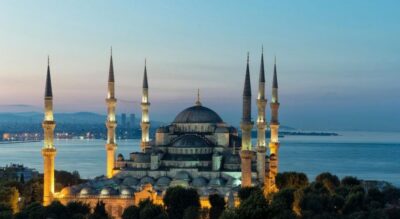
Browse the lists this tour appears in