Reviewed · ISTANBUL TOURS
10-day Highlights of Turkey Tour
Turkey packs several civilizations into this 10-day route, from Byzantine Istanbul and Ottoman palaces to Roman ruins, Silk Road inns, and Cappadocia’s carved churches. You get a lot of country in one trip, with private transport, domestic flights, hotels, meals, and entrance fees bundled together.
I especially like the mix of major sights and places with a stronger sense of place, such as a boat ride on the Bosphorus, the Gallipoli battlefields, a pottery stop in Avanos, and the Mevlana Museum in Konya. I also like the private format, since guides can adjust the pace and explain Turkey in a more personal way. The tradeoff is a busy schedule with several long drives, so this suits you best if seeing a broad sweep of Turkey matters more than lingering in one region.
Key points before you book
- Istanbul begins with the essentials: Hagia Sophia, Topkapı Palace, the Blue Mosque, the Hippodrome, and the Grand Bazaar.
- The route reaches far beyond Istanbul: You visit Gallipoli, Troy, Pergamon, Pamukkale, Ephesus, Cappadocia, and Konya.
- Two Cappadocia days give you real variety: Expect valleys, fairy chimneys, rock-cut churches, pottery, Uchisar, and Kaymaklı Underground City.
- The private setup is useful: You travel with your own group, an English-speaking guide, and an air-conditioned vehicle.
- The $3,450 price includes major trip costs: Domestic flights, accommodation, nine breakfasts, nine lunches, transport, parking, and admission fees are included.
- Plan around closures and stamina: Topkapı Palace is closed Tuesdays, the Grand Bazaar is closed Sundays, and several days involve long drives.
What the $3,450 price really covers
At $3,450 per person, this is not a bare sightseeing package. The price includes private transportation, an English-speaking guide, domestic flights, accommodation, parking, entrance fees, nine breakfasts, and nine lunches. That matters in Turkey, where this route covers a large part of the country and would be awkward to arrange independently in such a short time.
You are paying for coordination as much as sightseeing. Airport pickups, hotel transfers, road transport, internal flights, and several ancient-site admissions are handled for you. The private format also means you are not tied to a large coach group, and the guide can respond to your interests and level of energy.
The price does not include your international flights. It also does not specifically list dinners, drinks, personal purchases, or the admission fee at Sultanhani Caravanserai. The Blue Mosque, Hippodrome, Grand Bazaar, Spice Market, Temple of Artemis, and several other stops are listed without an admission charge, but you should still carry some Turkish lira for snacks and shopping.
For value, I would compare this with the cost of arranging several hotels, domestic flights, a private vehicle, a guide, meals, and entrance tickets on your own. The package makes the most sense if you want to cover Istanbul, the Aegean sites, Central Anatolia, Cappadocia, and Konya without managing each connection yourself.
A few more Istanbul half-days worth a look
- Istanbul: Bosphorus Dinner Cruise & Show with Private Table
★ 4.8 · 44,561 reviews - Istanbul: Daytime or Sunset Sightseeing Cruise & Audio Guide
★ 4.8 · 14,430 reviews - Istanbul: Bosphorus Dinner Cruise with Turkish Night Show
★ 4.8 · 10,127 reviews
Istanbul opens with Ottoman and Byzantine power
Your first day is deliberately light. A driver meets you at Istanbul Airport with a sign showing your name and takes you to the hotel. Use this arrival day to rest and get your bearings, since the next morning begins with a full sightseeing program.
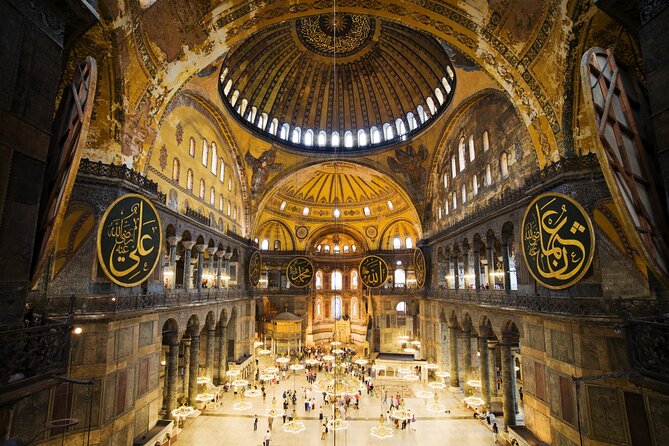
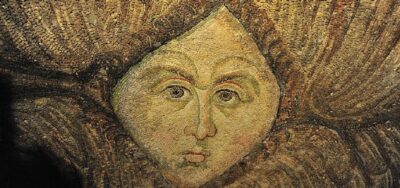
Day two covers Istanbul’s historic core on foot and by private vehicle. Hagia Sophia comes first, with about an hour inside. Its past is unusually layered: built in 537 as a major Byzantine Christian church, later used as a mosque, converted into a museum in 1935, and reopened as a mosque in 2020. You see Christian and Islamic elements sharing one monumental building, although access arrangements can change because it remains a functioning mosque.
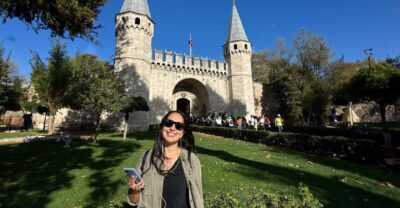
Topkapı Palace follows, with about 90 minutes scheduled. This was the Ottoman sultans’ principal residence and administrative center for several centuries. The palace gives you a better sense of how Ottoman government worked than a quick exterior visit can. Check the day carefully, since Topkapı Palace is closed every Tuesday.
The Blue Mosque is next, with roughly 45 minutes allowed, depending on prayer times. It remains an active place of worship, so your visit may be adjusted around services. Modest clothing and respect for the religious setting are important.
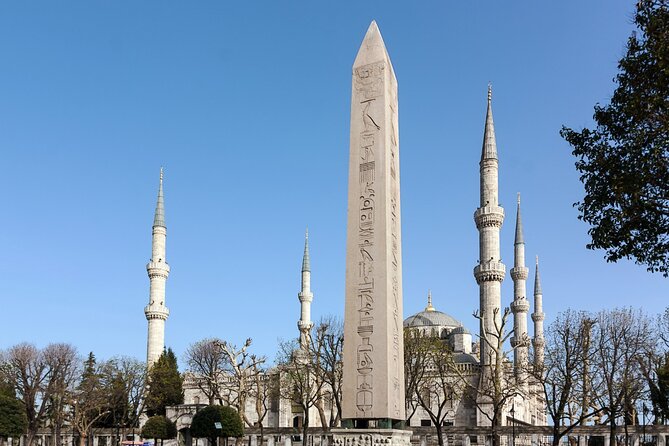
The Hippodrome takes about half an hour. Once the sporting and social center of Constantinople, it now reads more like an open urban square than a complete ancient arena. Your guide helps connect the remaining monuments with the scale and purpose of the original site.
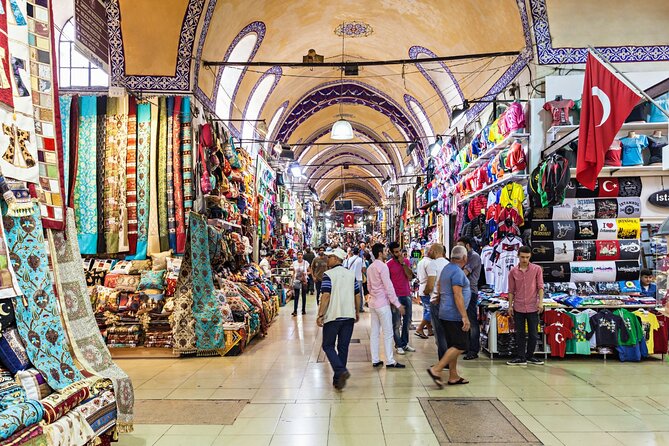
The day ends at the Grand Bazaar, where you have about an hour to browse. With thousands of shops spread across covered streets, it is easy to lose your bearings and easy to spend more than planned. Go for the atmosphere and the chance to practice bargaining, but keep purchases in perspective. Some organized tours include sales stops, and you should feel free to decline anything that does not suit your budget.
The Bosphorus shows Istanbul from the water
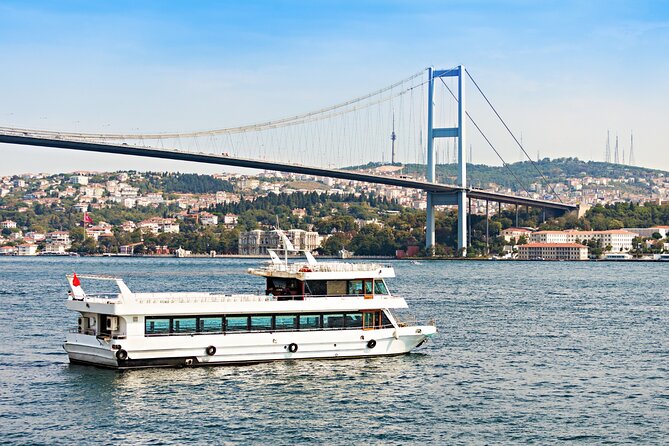
Day three changes the view completely. A roughly 90-minute boat trip on the Bosphorus lets you see Istanbul as a city divided between Europe and Asia. Palaces, waterfront mansions, restaurants, and neighborhoods line the shore, and the water gives you a calmer break after the concentrated sightseeing of the previous day.
The Spice Market follows, with about 45 minutes for browsing. It is smaller and more focused than the Grand Bazaar, with spices and food products forming much of its character. Again, allow yourself time to look without assuming every product or shop offers a bargain.
The itinerary gives you only two main stops on this day, which is welcome. Istanbul can be tiring when every hour is filled, and the boat ride provides a useful change of pace.
Gallipoli adds a serious human story
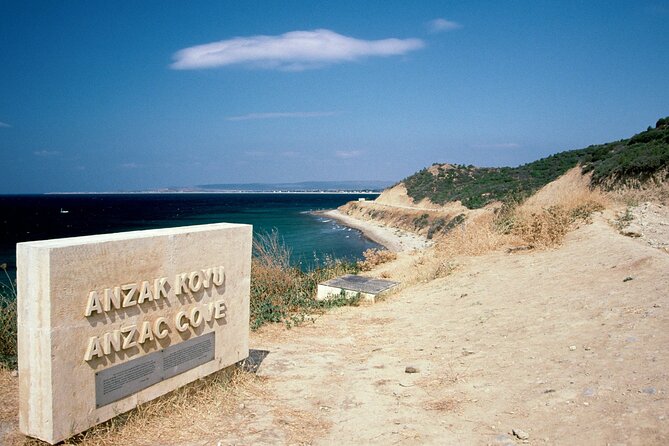
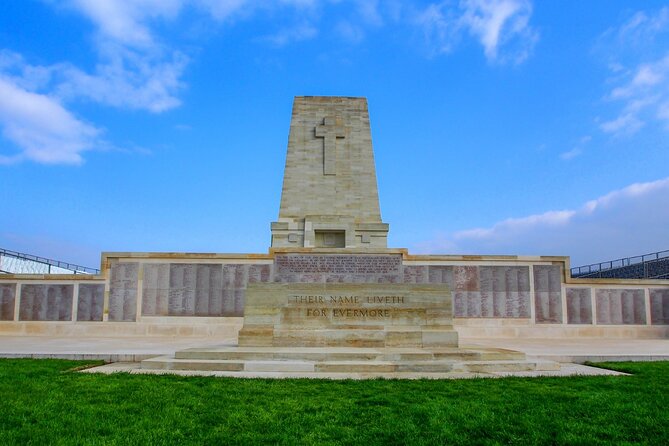
On day four, you leave Istanbul for the Gallipoli Peninsula. The visit lasts about four hours and includes Anzac Cove, Lone Pine, Chunuk Bair, memorials, and trenches.
Gallipoli is not a decorative stop. It is a battlefield and memorial site connected with the First World War, and the terrain gives the campaign a physical reality that maps cannot provide. Your guide can explain how the coastline, ridges, and narrow routes affected the fighting.
This is also one of the more emotionally demanding parts of the tour. You will spend time outdoors, and the day includes road travel after leaving Istanbul. Wear practical shoes and bring water. The schedule is worthwhile if you want more than ancient ruins and royal monuments.
A completely different sort of day out, same corner of Turkiye:
- Best of Istanbul 1, 2 or 3-Day Private Guided Istanbul Tour
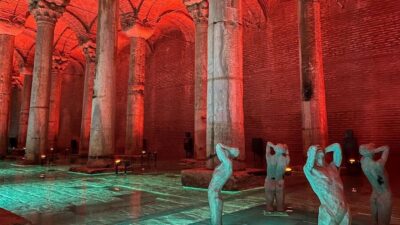
★ 5.0 · 8,922 reviews - Istanbul: Basilica Cistern Fast-Track Entry and Audio Guide
★ 4.6 · 7,521 reviews - Istanbul: Hagia Sophia Skip-the-Line Ticket & Museum Option
★ 3.7 · 4,958 reviews - Istanbul: Hodjapasha Whirling Dervishes Show & Exhibition
★ 4.4 · 4,790 reviews
Troy and Pergamon require imagination
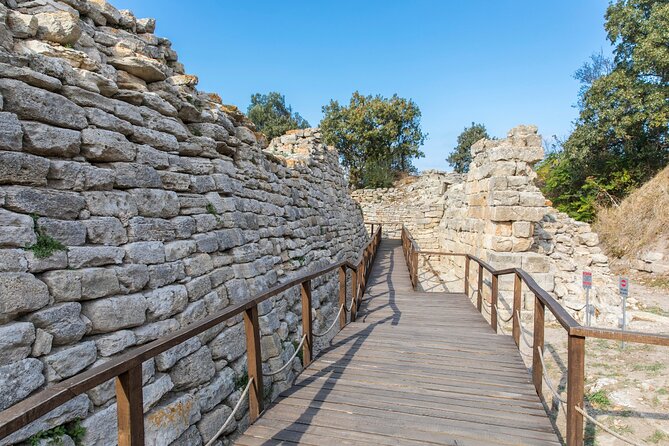
Day five begins at Troy, the legendary city associated with the Trojan Horse. The visit lasts about 90 minutes and works best when you approach it as a meeting point between archaeology, literature, and myth. The remains are not a perfectly preserved city, so your guide’s explanation is important for making sense of the layers.
The route then continues to Pergamon, a drive of about three and a half hours. That is a long stretch, but it leads to one of the most striking ancient settings on the itinerary. Pergamon’s acropolis sits on a 335-meter-high hill of andesite, giving the site a commanding position above the surrounding area.
Allow for heat, uneven ground, and uphill walking. Pergamon is not a quick roadside ruin. Its setting is a major part of the experience, and you will get more from it if you are comfortable walking at a steady pace.
Pamukkale combines Roman ruins and white terraces
Day six brings you to Pamukkale, often called the Cotton Castle. The white calcium terraces are the visual star, but the ancient city of Hierapolis gives the stop its historical weight. Romans used the area for its thermal waters, and the remains show how a spa destination could also become a substantial city.
The visit lasts about three hours. You may have time to enjoy the thermal water, and the itinerary specifically advises bringing a swimsuit. Since the terraces and water create a wet, slippery setting, pack a small bag with a towel and dry clothes if you plan to swim.
Pamukkale can feel very exposed, particularly in strong sun. A hat, sunscreen, and water will make the visit much easier. The white terraces are delicate, and access rules may direct you along specific areas, so follow local instructions rather than treating the site like an ordinary swimming pool.
Ephesus is the ancient-site centerpiece
Day seven focuses on Ephesus, the ancient Greek and Roman city near present-day Selçuk. The listed schedule gives only two minutes for the main Ephesus stop, which is clearly too short for a meaningful visit and likely reflects a timing error. Confirm the exact schedule with Smart Turkey Tours before booking, because Ephesus normally deserves substantial time.
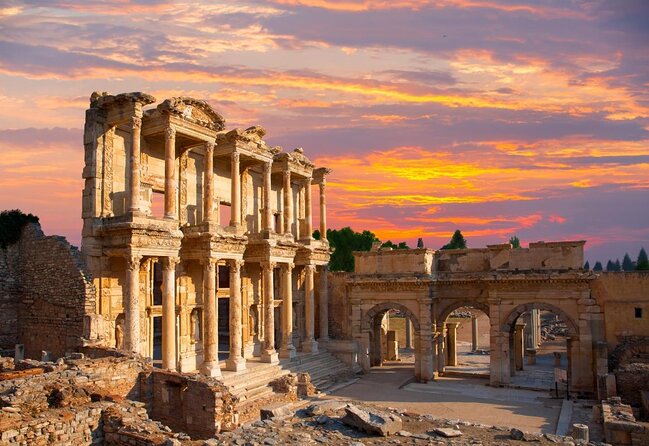
When the visit is properly scheduled, you can expect streets, public buildings, and the remains of a major city that later came under Roman control. The site rewards slow attention. Look beyond the famous columns and try to picture how its streets, civic spaces, and religious buildings fit together.
The Temple of Artemis follows, with about 30 minutes. Only limited remains survive, but the site represents one of the ancient world’s celebrated temples. Your guide’s explanation is essential here, since the physical remains alone are sparse.
The House of the Virgin Mary is scheduled for about 45 minutes. It is a Catholic shrine on Mount Koressos near Ephesus and carries religious meaning for many visitors. You can approach it as a place of pilgrimage and reflection, even if your main interest is archaeological.
After the Ephesus area, the itinerary sends you to the airport for a domestic flight to Cappadocia. Because this day combines ruins, a shrine, airport transfers, and air travel, it is likely to feel full. Keep your day bag organized and avoid carrying more than you need.
Cappadocia delivers two strong days of variety
Day eight begins in Devrent Valley, about a 10-minute drive from Göreme. The valley is known for small fairy chimneys and rock formations that resemble animals. The stop is brief, around 15 minutes, so think of it as a photo and orientation stop rather than a hike.
Pasabag, also called Monks Valley, gives you more time among cone-topped rock pillars. Soft volcanic rock allowed people to carve refuges and religious spaces into the formations. This is one of Cappadocia’s most recognizable settings, and the 45-minute visit lets you look more closely.
Avanos shifts the focus from geology to craft. The town is known for pottery made from red silt clay from the Kızılırmak River. You have about 45 minutes to see the old town and river setting. Pottery is still a major part of local life, but any shopping should be treated as optional, not as a required part of the tour.
The Göreme Open-Air Museum is the day’s strongest cultural stop. Rock-cut churches and Christian settlements survive in the soft stone, and the visit lasts about 90 minutes. You will get more from it if you pay attention to the small details inside the churches, not just the larger caves outside.
Uchisar closes the day. Its natural rock castles offer a broad view of Cappadocia’s unusual formations. The 45-minute stop gives you a final high point before returning to the hotel.
Day nine adds more walking. Red Valley includes rock-cut churches and a five-kilometer hike through Güllüdere Valley, with about two hours scheduled. This is one of the places where your fitness matters most. Wear proper walking shoes, and do not treat the day as a purely vehicle-based sightseeing loop.
Çavuşin follows, known for old houses and churches connected with Christian clergy. Pigeon Valley then provides a shorter stop, about 20 minutes, after lunch.
The afternoon visit to Kaymaklı Underground City is listed at one minute, another timing entry that cannot describe a meaningful visit. Confirm the intended duration before you travel. Underground passages can be narrow and uneven, and the experience will suit you only if you are comfortable in confined spaces.
Hot-air balloon rides are not included in the listed package. If that is a priority, ask about adding one before you book rather than assuming it is part of the schedule.
Konya follows the old Silk Road
Day ten takes you toward Konya along the ancient Silk Road. The route includes Sultanhani Caravanserai, described as the largest and most beautiful caravanserai from the Seljuk period. The stop lasts about 30 minutes, and its admission fee is not included.
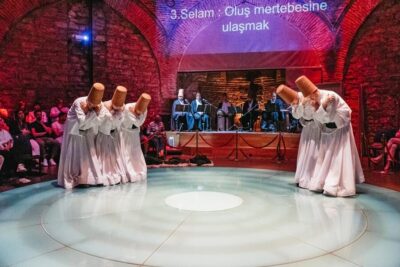
In Konya, the Mevlana Museum is the main visit. It is the mausoleum of Jalal ad-Din Muhammad Rumi, the Persian Sufi mystic, and was also the lodge of the Mevlevi order associated with whirling dervishes. This stop gives the tour a spiritual and literary dimension that differs from the imperial buildings and ancient cities earlier in the trip.
The final visits are Alaaddin Mosque and Karatay Madrasa, with about 90 minutes assigned to both. These buildings connect the route to Seljuk Anatolia before you are transferred to the airport for a flight back to Istanbul.
What the private format is like
Only your group participates, so the experience is more personal than a standard coach tour. You travel in an air-conditioned vehicle with an English-speaking guide, and parking fees are included.
The operator has used guides including Selcuk Kaya, whose style is described as enthusiastic and strong on Turkish history and culture. Other named staff connected with past trips include Metin, Yeliz, Safak, and driver Ersan. Guide assignments are not guaranteed, so ask about the available guide when booking if that matters to you.
The strongest practical advantage is coordination. Domestic flights, airport transfers, hotels, meals, and long road sections require careful timing, and a private operator handles those moving parts for you. The main drawback is that you may spend several hours in the vehicle on transfer days, especially around Gallipoli, Troy, Pergamon, Pamukkale, and Konya.
Most people can participate, but the route includes uneven ancient sites, outdoor walking, a five-kilometer hike, and a possible underground-city visit. If you have mobility concerns, discuss them before booking so the guide can explain which stops can be adjusted.
Should you book the 10-day Highlights of Turkey Tour?
Book it if you want a broad first look at Turkey and value having one company handle the difficult logistics. The route includes the country’s major headline sights, but it also reaches Gallipoli, Avanos, Konya, and the Silk Road, giving the trip more range than an Istanbul and Cappadocia package.
Think twice if you prefer slow mornings, independent meals, or several nights in each place. This is an ambitious route, and the long drives and internal flight make it feel more like a survey of Turkey than a relaxed regional holiday.
For the best experience, confirm the suspiciously short Ephesus and Kaymaklı timings, check the Istanbul visit days around Tuesday and Sunday closures, ask whether your preferred guide is available, and decide in advance if you want to add a Cappadocia balloon ride. If you are ready for full days and varied terrain, the private format and broad coverage make the $3,450 price reasonable.
FAQ
What is included in the tour price?
The tour includes private transportation, an English-speaking guide, parking fees, entrance fees, domestic flight tickets, accommodation, nine breakfasts, and nine lunches.
Are international flights included?
No. International airfare is not included. The package does include domestic flights within Turkey.
Is this a private tour?
Yes. Only your group participates in the activity.
Where does the tour begin?
The tour begins at Istanbul Airport, at Tayakadın Terminal Street No. 1 in Istanbul. A driver will meet you holding a sign with your name.
Which sites have scheduled closure days?
Topkapı Palace is closed every Tuesday. The Grand Bazaar is closed every Sunday. The Blue Mosque visit depends on prayer times.
Can I cancel for a full refund?
Yes, if you cancel at least 24 hours before the experience start time. Cancellations made within 24 hours are not refunded, and changes within that period are not accepted.
Newest Istanbul trips on the site
- Turkey Classics 7 Day Escorted Tour from Istanbul★ 4.5 · 165 reviews
- 7 Day 6 Night Express Turkey Tour★ 5.0 · 37 reviews
- Bosphorus Dinner Cruise with Turkish Music and Live Performances★ 4.0 · 158 reviews
- Bosphorus Dinner Cruise & Show with Private Table★ 5.0 · 24 reviews
- Pearl’s of Turkey – 8 Days★ 5.0 · 38 reviews
- Bosphorus Boat Tour 3 Hour with Asian Side Stop in Istanbul★ 5.0 · 97 reviews
- 7 Days Turkey Tour Package – Highlights of Turkey★ 5.0 · 73 reviews
- Turkey Highlights 4 Day Tour from Istanbul Hassle-Free Package★ 5.0 · 91 reviews
Istanbul Tours, compared.
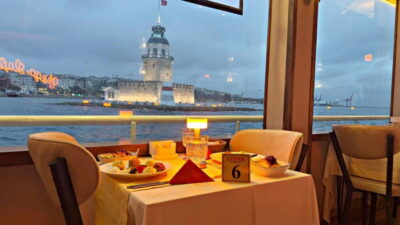
Bosphorus Dinner Cruise & Show with Private Table
Our review →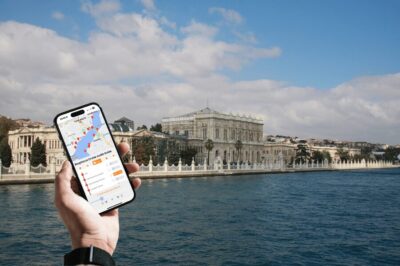
Daytime or Sunset Sightseeing Cruise & Audio Guide
Our review →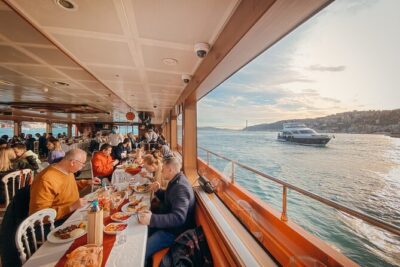
Topkapi Palace & Harem Museum Ticket & Audio Guide
Our review →